
How Much Does Professional Interior Painting Cost in Oklahoma City?
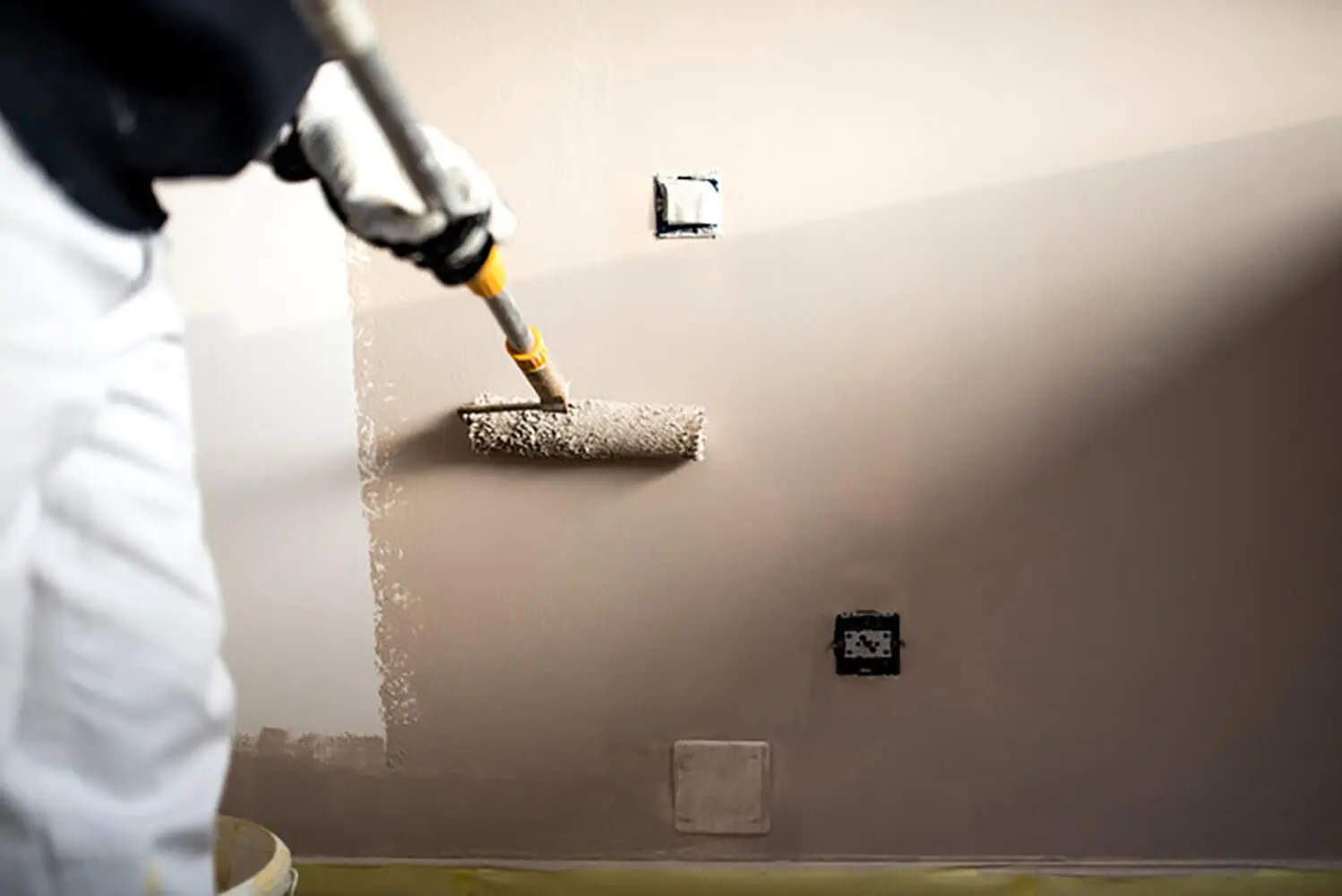
If you’re thinking about repainting the inside of your home, you’re probably wondering the same thing most homeowners do: how much does professional interior painting cost?
The tricky part is that there isn’t one flat price that fits every house. Even two homes with similar layouts can get very different estimates depending on what’s being painted, how much prep work is needed, and what kind of finish you want in the end. Add in the fact that a lot of “average cost” numbers online leave out important details, and it’s easy to feel unsure about what a realistic budget should be.
That’s exactly what this guide is here for. You’ll get a clear, homeowner-friendly breakdown of interior painting costs, pricing factors, and what a professional quote includes. By the end, you’ll know what to expect and feel more confident planning your interior painting project.
What Professional Interior Painting Typically Costs in Oklahoma City
Most homeowners want a straight answer when it comes to price, and that’s completely fair. While every home is different, there are some common ranges you can expect to see when getting a professional interior painting cost in the OKC area.
Here are typical starting points many homeowners fall into:
- Single room (walls only): often a few hundred dollars to around $1,000+
- Multiple rooms or larger areas: commonly $1,500–$4,000+
- Whole-home interior painting: often several thousand dollars and up, depending on the size and scope
These ranges can move up quickly if you’re adding ceilings, trim, doors, or detailed work.
It’s also helpful to know that some painters price by the room, while others price based on total project scope. Per-room pricing feels simpler upfront, but whole-home pricing is often more accurate for connected spaces or open layouts.
One quick caution: online averages are best treated as rough guidance only. They rarely reflect your home’s condition, layout challenges, or the prep needed for a clean finish.
What Factors Most Influence Interior Painting Costs
One of the biggest things to understand is that interior painting isn’t priced like a menu with fixed numbers. The final cost is usually built from a mix of variables that all stack together.
That’s why two homeowners can both ask, “how much does professional interior painting cost?” and get two very different answers.
The good news is that once you know what drives pricing, it’s a lot easier to budget realistically and avoid surprises later.
Here are the factors that tend to make the biggest impact:
- Size of the home, room count, and ceiling height: More square footage usually means more labor and more materials. Taller ceilings or larger wall surfaces also increase the time it takes to prep, cut in, and apply paint evenly.
- Wall, ceiling, and trim condition: Smooth, clean surfaces take less time to paint than walls with dents, cracks, peeling areas, or heavy patching. Trim that’s chipped, worn, or previously painted unevenly can also add time and detail work.
- Paint type, finish, and color changes: Not all paint is priced the same, and the paint finish you choose can affect durability, appearance, and long-term maintenance in different rooms. Higher-quality paint and specialty finishes cost more, and major color changes often require extra coats to fully cover the old color underneath.
- Amount of prep work required: Prep can include light patching, caulking, sanding, masking, and protecting surrounding areas. The more prep needed, the more time the crew has to spend before painting even starts.
- Accessibility, layout complexity, and whether the home is occupied: Straightforward layouts are faster to paint than tight spaces, detailed trim, narrow stairwells, or rooms filled with furniture. If the home is occupied during the project, painters may also need to work in phases, which can affect efficiency.
How Interior Painting Costs Vary by Room Type
Even within the same house, not every room takes the same amount of time (or effort) to paint. That’s why pricing can change depending on which spaces you’re updating.
Some rooms are simple: four walls, standard ceiling height, minimal trim. Others come with extra detail, tighter corners, or conditions that require more care. When you understand the “why” behind room-to-room pricing differences, estimates start to make a lot more sense.
Here’s how costs commonly vary by room type:
- Bedrooms, living rooms, and standard living areas: These are usually the most straightforward rooms to paint. They tend to have predictable wall space, easier access, and fewer obstacles. Costs can still vary based on furniture, trim detail, or color changes, but these spaces are typically the baseline for pricing.
- Kitchens and bathrooms with moisture and ventilation considerations: Kitchens and bathrooms often involve more cut-in work and tighter areas around cabinets, fixtures, and appliances, which is why some homeowners also explore cabinet painting services during interior projects. Bathrooms also deal with humidity, so the paint choice and finish may matter more. These rooms can take longer even if they’re smaller.
- Hallways, stairwells, and rooms with high or vaulted ceilings: These spaces can be surprisingly time-consuming. Hallways often have lots of doorways and trim, while stairwells and tall ceilings require extra setup and careful work at height. Because of the added complexity, these areas often cost more than homeowners expect at first.
What’s Usually Included in a Professional Interior Painting Quote
Once you start collecting estimates, it helps to know what a professional quote typically covers. That way, you’re not just comparing bottom-line numbers—you’re comparing what you’re actually getting for that price.
In most cases, a professional interior painting quote includes the core labor, paint materials, and the standard prep needed to get a smooth, consistent finish. It also typically covers protecting your home before work begins, like safeguarding floors, furniture, and nearby fixtures.
Cleanup is another part homeowners often forget to ask about, but it’s usually included. Many crews handle daily cleanup and finish with a walkthrough to confirm the agreed scope was completed.
Here are a few items that are commonly included in most quotes:
- Painting labor + standard materials for the areas listed
- Basic surface prep (light patching, sanding, caulking as needed)
- Floor and furniture protection during the project
- Cleanup and a final walkthrough when the job is done
One thing to watch for is what gets listed separately. Larger repairs, extra coats for major color changes, and detailed work like trim or doors may be priced as add-ons depending on the scope. If something isn’t spelled out clearly, it’s always worth asking before moving forward.
What Can Cause Interior Painting Costs to Go Up or Down
Even with a solid estimate, there are a few common situations that can push the final cost higher—or help keep it more manageable. Most of it comes down to how clearly the scope is defined from the start and how straightforward the project is once work begins.
Here are a few of the biggest factors that can shift pricing either direction:
- Scope changes or color decisions made after the estimate: Adding extra rooms, switching paint colors last-minute, or deciding to include ceilings or trim can all increase the total. Even small changes can add time if they require extra coats or new materials.
- Ease of access and cleared work areas: Projects tend to move faster when painters can easily access the work areas, and avoiding common interior painting mistakes can prevent delays and unexpected cost increases.. If rooms are cleared or furniture is consolidated, it can reduce labor time.
- Timing, scheduling flexibility, and project size: Larger projects can sometimes be priced more efficiently because the crew can work continuously without frequent setup changes. On the other hand, if a project needs to be done in phases or has a tight deadline, it may affect scheduling and cost.
Why Professional Interior Painting Costs More Than DIY
DIY painting can look cheaper on paper. You buy paint, pick up a few supplies, and plan to tackle it over a weekend.
But once you compare the time, finish quality, and how long the results last, it’s easier to see why professional work costs more.
Professional painters aren’t just applying paint. They’re delivering a finished result that’s clean, consistent, and durable—and doing it in a way that saves homeowners a lot of trial-and-error.
Here are three main differences that usually show up right away:
- The finish looks more polished: Clean lines, smooth coverage, and consistent color are harder to achieve than they seem, especially in bright rooms or when changing to a darker shade.
- The project moves faster (with less disruption): A homeowner might work in pieces over multiple nights or weekends. A professional crew can usually complete the same work in a tighter window, with a more predictable schedule.
- The results often hold up longer: When prep, application, and product choices are done correctly, the paint tends to stay looking good longer. That can mean fewer touch-ups and less need to repaint again sooner than expected.
How to Get an Accurate Interior Painting Cost for Your Oklahoma City Home
Once you have a general idea of pricing, the next step is getting a number that actually fits your home. The most reliable way to do that is through an in-home evaluation, which is how professional interior painting services determine true scope instead of guessing from a few details over the phone.
That matters because interior painting costs are often influenced by things you can’t fully explain without seeing the space, like wall condition, ceiling height, tricky layouts, or how much prep is needed.
Before requesting a quote, it helps to have a few basics decided so the estimate is accurate from the start:
- What rooms you want painted (and whether ceilings, trim, or doors are included)
- Whether you’re keeping the same color or making a noticeable change
- Any problem areas you already know about, like stains, patching, or damaged trim
- Your ideal timeline, especially if you’re working around other projects or events
A good professional assessment should feel clear and straightforward. You should know what’s included, what might cost extra, and what could change the price later. That’s what prevents the “surprise” add-ons that homeowners often run into when the scope wasn’t fully defined upfront.
How to Budget Confidently for Professional Interior Painting in Oklahoma City
At the end of the day, interior painting costs come down to the details of your home and the scope of your project. There’s no universal price tag—but once you understand what affects pricing, it’s much easier to budget with confidence.
If you’ve been asking how much does professional interior painting cost, the best approach is to start with a realistic range, then narrow it down with a detailed quote that matches your home.
When you compare quotes, don’t just look at the total. Make sure it clearly spells out:
- What rooms and surfaces are included (walls only, or ceilings/trim/doors too)
- What prep work is included, and what would be considered extra
- Whether paint and materials are included in the price
- Any add-ons that could change the final cost
Clear estimates make decision-making easier — especially when you can request a free interior painting estimate tailored to your home. You’ll know what you’re paying for, what can shift the price, and what to expect before the project starts.
If you want a real number, OKCity Painting offers in-home estimates with clear pricing and no guesswork.