
How Often Should You Repaint the Interior of Your Home?
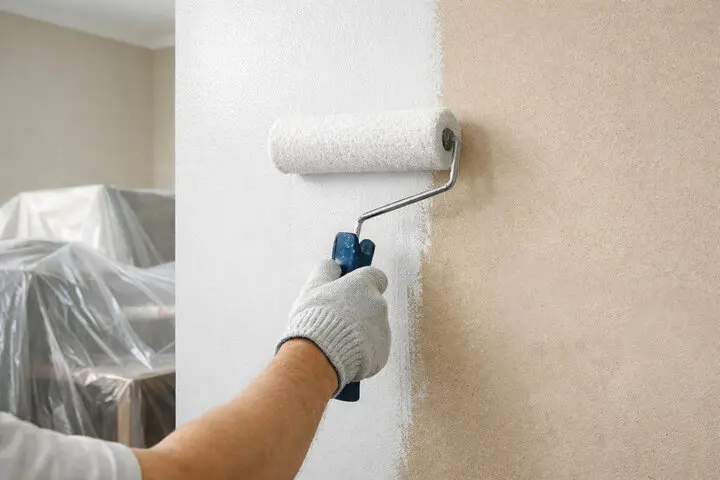
You glance around your home and start to notice it. Scuff marks that never quite come clean. Colors that once felt fresh now look dull or dated. Maybe you are wondering whether this is normal wear or a sign that it is time for a change. It is a question many homeowners quietly ask themselves: how often should you repaint the interior of your home?
Interior paint does more than define style. It protects surfaces, reflects light, and shapes how comfortable your space feels day to day. Over time, even well cared for walls show signs of use, especially in busy households. The challenge is knowing when repainting is truly necessary versus when it can wait.
Homeowners often hear vague advice like “every few years,” but that rarely tells the full story. The right timing depends on how each room is used, the quality of the paint, and the conditions inside your home. What works for a quiet guest room may not apply to a high traffic hallway or a steamy bathroom.
This guide breaks down what most homeowners want to know. You will learn about typical repainting timelines, how different rooms wear at different rates, and what factors can shorten or extend the life of your interior paint.
A General Timeline for Repainting Your Home’s Interior
Most homeowners want a simple answer when it comes to repainting, but the reality is a range rather than a single number. As a general baseline, many interiors fall into a predictable interior repainting timeline when conditions are fairly typical.
For most homes, interior walls are repainted every 5 to 10 years. That range assumes average daily use, standard wall finishes, and a stable indoor environment. Homes with lighter use or higher quality paint often sit comfortably at the longer end of that range.
A few broad expectations can help set realistic planning benchmarks:
- Living areas with normal traffic often need repainting about every 5 to 7 years
- Bedrooms used regularly tend to last closer to 7 to 10 years
- Homes with minimal wear may stretch beyond a decade before repainting feels necessary
That said, repainting frequency is not driven by time alone. How often you repaint interior walls depends heavily on how the space is used and how much wear the surfaces absorb over time. A home with kids, pets, or frequent guests may see visible wear much sooner than a quieter household.
Environment also plays a role. Sun exposure, humidity, and temperature fluctuations all affect how paint ages. Two homes built the same year can look very different inside after five years simply because of how they are lived in.
Think of this timeline as a starting point. It helps frame expectations, but real-world conditions ultimately determine when repainting makes sense.
Interior Repainting Timeline by Room Type
While a general timeline is helpful, most homeowners notice that not every room ages at the same pace. Understanding how often to repaint interior walls by room type makes it easier to plan updates without repainting the entire home at once.
High traffic areas usually show wear first. Spaces that see constant movement, hands on walls, or furniture contact tend to need attention more often.
- Hallways and staircases often need repainting every 3 to 5 years
- Living rooms and family rooms typically fall in the 4 to 7 year range
- Entryways may show wear even sooner due to shoes, bags, and frequent contact
Lower use rooms usually hold up longer. These areas experience fewer scuffs and less daily interaction.
- Guest bedrooms can often go 8 to 10 years without repainting
- Formal dining rooms may last just as long if used occasionally
- Home offices with light use often stay presentable for many years
Moisture heavy rooms follow a different pattern. Steam, heat, and cleaning products can break down paint faster, even if foot traffic is low.
- Kitchens often need repainting every 3 to 5 years
- Bathrooms typically fall in the 3 to 4 year range
- Laundry rooms may need touch ups more frequently due to humidity
These ranges are not strict rules. They are guidelines based on how each space is typically used. When you look at repainting through a room by room lens, it becomes easier to prioritize updates and spread projects over time instead of tackling everything at once.
Signs It May Be Time to Repaint Sooner
Even if your home has not reached a typical repainting milestone, there are situations where waiting no longer makes sense. Interior paint often gives clear signals when it is no longer doing its job, and those signs tend to show up gradually rather than all at once.
One of the most common indicators is visible scuffing or marking that does not come clean. When routine cleaning stops improving the appearance of walls, it usually means the paint surface itself has worn down. This is especially noticeable in areas where hands, furniture, or doors regularly make contact.
Fading is another sign that repainting may be needed sooner than expected. Rooms with strong sunlight can lose color depth over time, leaving walls looking uneven or washed out. Even neutral colors can start to feel dull when exposed to consistent light.
Stains that bleed through or reappear after cleaning are also a red flag. Water spots, grease marks, or past repairs can show through aging paint, making walls look patchy or neglected.
In more advanced cases, peeling or cracking paint indicates that the surface is no longer adhering properly. At that point, repainting is not just cosmetic. It helps protect the underlying surface and restore a clean, finished look.
When these signs start affecting how comfortable or proud you feel in your space, it is often better to repaint sooner rather than waiting for an arbitrary timeline to pass.
Factors That Affect How Often You Need to Repaint Interior Walls
Beyond room type, several everyday factors influence how quickly interior paint shows wear. These details often explain why two homes with similar layouts can have very different repainting needs.
Household activity plays a major role. Homes with children or pets tend to see more frequent wall contact, spills, and accidental marks. Toys, backpacks, pet beds, and everyday movement all add up over time. Even careful households experience faster wear when more people are using the space daily.
Paint quality and finish also matter more than many homeowners realize. Higher quality paints are designed to resist scuffing, staining, and fading longer than budget options. Finishes with a slight sheen usually hold up better to cleaning, while flatter finishes tend to show wear sooner. This directly affects the interior repainting timeline, especially in busy rooms.
Environmental conditions can shorten paint lifespan as well. Sunlight exposure gradually breaks down pigments, causing colors to fade unevenly. Rooms with large windows or strong afternoon sun often need repainting sooner, even if they are not heavily used.
Humidity is another factor, particularly in kitchens, bathrooms, and laundry areas. Moist air can soften paint over time, making it more prone to peeling or staining. In these spaces, how often to repaint interior walls depends as much on ventilation as it does on usage.
When you combine lifestyle, materials, and environment, repainting frequency becomes highly personal. These factors explain why timelines should always be flexible rather than fixed.
How Paint Finish and Color Choice Influence Repainting Frequency
The type of paint finish and the color you choose can significantly affect how long your walls look fresh. While these details are often treated as style decisions, they play a practical role in how often repainting becomes necessary.
Paint finishes vary in durability and cleanability, and knowing how to choose a paint finish for each room can help optimize longevity. In general, finishes with more sheen are better at handling daily wear.
- Flat finishes hide surface imperfections but scuff and stain more easily
- Eggshell and satin finishes offer a balance of softness and durability
- Semi gloss finishes resist moisture and clean well in busy or damp areas
Color choice also influences how paint ages. Lighter colors tend to show dirt and scuffs more quickly, especially in high traffic areas. Darker or bold colors can hide marks better, but they often reveal fading more noticeably over time.
Touch ups behave differently depending on color and finish. Bold or deep tones can make spot repairs stand out if the surrounding paint has aged or faded. Flat paints blend more easily during touch ups, but they usually require more frequent overall repainting.
When planning an interior repaint, pairing the right finish with the right color for each room helps extend the life of the paint. These choices can reduce maintenance and make the space look better for longer without increasing how often you need to repaint.
What to Expect When Planning a Professional Interior Repaint
When homeowners start thinking seriously about repainting, timing and coordination become just as important as color choice. A professional interior repaint is typically planned around lifestyle needs rather than fixed calendar dates.
Most homeowners schedule repainting when rooms can be cleared easily or daily routines can be adjusted. This might mean repainting during a slower season, before hosting guests, or while other home projects are already underway. Professionals help assess which rooms should be done first and whether the work should be completed all at once or in stages.
Preparation is a major part of the process, and following a strong pre-painting prep checklist helps ensure better adhesion and long lasting results. Proper prep includes surface repairs, patching nail holes, sanding rough areas, and protecting floors and furniture. These steps directly affect how long the new paint will last.
During the repaint itself, professionals manage application, drying times, and cleanup. Homeowners can expect clear communication about how long each space will be unavailable and when rooms can be used again.
When repainting is approached as part of routine home maintenance rather than a reaction to visible damage, the process feels more controlled and predictable. Planning ahead allows the project to fit smoothly into everyday life instead of disrupting it.
Key Takeaways for Planning Your Next Interior Repaint
Repainting your home’s interior is less about hitting an exact date and more about understanding patterns of wear. Most homes follow a general interior repainting timeline, but real timing depends on how each space is used and maintained.
Rooms with higher traffic or moisture tend to need attention sooner, while quieter areas often hold up for many years. Lifestyle factors like kids, pets, and daily activity can shorten repainting cycles, even when quality paint is used. Environmental conditions such as sunlight and humidity also influence how quickly walls show age.
Paint finish and color choices matter more than many homeowners expect. Finishes with more durability reduce visible wear, while certain colors may highlight fading or touch ups over time. Choosing the right combination for each room helps extend the life of the paint and reduce maintenance.
The most useful approach is to think room by room rather than treating the home as a single timeline. This makes it easier to prioritize updates, budget realistically, and avoid unnecessary repainting.
When homeowners understand how often to repaint interior walls based on their own household, repainting becomes a proactive maintenance decision instead of a reactive one. That clarity helps keep interiors looking clean, comfortable, and well cared for over the long term.
If you are unsure whether it is time to repaint or want help planning a room by room update, we can help. At OKCity Painting, we work with homeowners to evaluate wall condition, usage, and timing so repainting fits your home and lifestyle. Our team handles prep, painting, and cleanup with a focus on long lasting results. Reach out to us to schedule a consultation and get a clear plan for your interior painting project.