
Choosing the Best Paint Finish for Each Room in Your Home
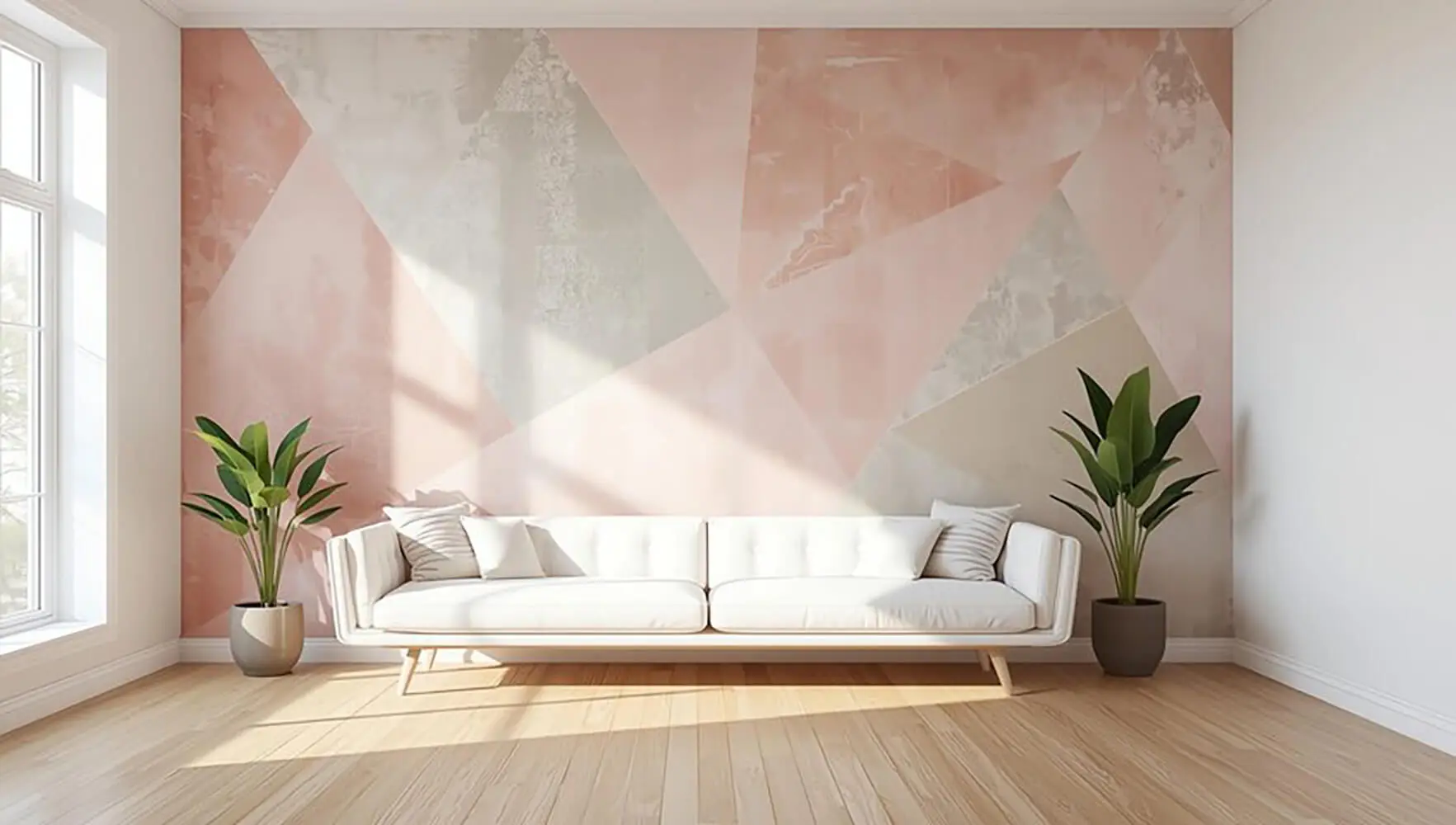
Choosing a paint color is usually the fun part. Choosing between matte, eggshell, satin, or semi-gloss is where most homeowners start to feel stuck. The differences can seem subtle on a paint chip, but once the paint is on the wall, the finish has a big impact on how the room looks, how it holds up, and how easy it is to maintain.
That’s why understanding the best paint finish for each room in your home matters just as much as picking the right shade. The wrong finish can make walls harder to clean, highlight imperfections, or wear down faster than expected. The right finish, on the other hand, can make a space feel intentional, polished, and easier to live with day to day.
Paint finish affects more than appearance. It plays a role in durability, moisture resistance, and how well a surface handles cleaning and everyday use. A finish that works beautifully in a bedroom may be a poor choice for a busy hallway or a steamy bathroom.
This interior paint finish guide breaks things down in a clear, practical way. You’ll learn how different finishes perform and how to choose the right option based on how each room is actually used, so your paint looks better and lasts longer.
How Paint Finish Affects Durability, Cleaning, and Appearance
Paint finish refers to the level of sheen, or how much light the painted surface reflects. While color determines the tone of a room, the finish controls how that color behaves once it’s on the wall and exposed to daily use.
Sheen plays a major role in durability. Higher-sheen finishes create a tighter, smoother surface that resists wear better over time. Lower-sheen finishes are more porous, which can make them more prone to scuffs, stains, and visible wear in busy spaces.
Cleaning is also directly tied to finish choice. The smoother the surface, the easier it is to wipe down without damaging the paint. This matters in rooms where fingerprints, splashes, or marks are common.
In general:
- Lower-sheen finishes absorb light and help hide surface imperfections
- Mid-sheen finishes balance softness with cleanability
- Higher-sheen finishes reflect more light and resist moisture and stains
Appearance is the third piece of the puzzle. Matte and flat finishes create a soft, velvety look that minimizes glare. Satin and semi-gloss finishes reflect more light, which can make colors appear brighter but also draw attention to bumps or uneven surfaces.
The key is matching the finish to how the room functions. A finish that looks great in a quiet, low-traffic space may not hold up where walls are frequently touched or cleaned. Thinking about durability, maintenance, and light together helps ensure the paint performs as well as it looks.
Quick Overview of Common Interior Paint Finishes
Before choosing a finish for a specific room, it helps to understand the basic characteristics of the most common interior paint finishes. Each option has strengths and trade-offs that affect both appearance and performance.
Flat or matte finishes have little to no shine. They absorb light rather than reflect it, which helps hide surface imperfections like small dents or uneven drywall. These finishes create a soft, smooth look but are the least durable and hardest to clean, making them better suited for low-traffic areas.
Eggshell finishes have a slight sheen that’s just noticeable when light hits the wall. They offer a step up in durability compared to flat paint while still maintaining a subtle, elegant appearance. Eggshell is often chosen for living spaces where light cleaning may be needed.
Satin finishes have a smooth, velvety sheen that reflects more light. They’re easier to clean and more resistant to scuffs, making them a popular all-purpose option. Satin balances durability and appearance better than most finishes.
Semi-gloss finishes are noticeably shiny and highly durable. They resist moisture and stains well and are easy to wipe clean. The trade-off is that they highlight surface flaws more than lower-sheen finishes.
Gloss finishes have the highest shine and the hardest surface. They’re extremely durable and easy to clean but are usually reserved for accents rather than large wall areas.
Understanding these basics creates a strong foundation for choosing paint finish for each room with confidence.
Choosing the Best Paint Finish for Each Room in Your Home
Every room in your home places different demands on paint. Some spaces see constant traffic and frequent cleaning, while others stay relatively untouched. Because of that, using the same finish everywhere often leads to premature wear or frustration.
The best approach is to match the paint finish to how each room is used. Traffic level, moisture exposure, and cleaning needs all play a role in how well a finish performs over time.
Thinking through a few basics helps guide the decision:
- How often the walls are touched or cleaned
- Whether the room is exposed to humidity or splashes
- How much light the space receives
By choosing finishes based on function rather than preference alone, you get better durability, easier maintenance, and a more polished look throughout the home. The breakdown below explains which finishes tend to work best in each type of room.
Best Paint Finish for Living Rooms and Dining Rooms
Living rooms and dining rooms typically benefit from finishes that balance appearance and practicality. These spaces are meant to feel comfortable and inviting, but they still see regular use, especially in homes with kids or pets.
Eggshell and satin finishes are often preferred because they provide a soft look while still offering light cleanability. They handle occasional scuffs or fingerprints better than flat paint without appearing overly shiny.
Lighting matters here. Rooms with large windows or strong overhead lighting can make higher-sheen finishes look glossier than expected, so eggshell is often a safe choice when you want a subtle, consistent appearance.
Best Paint Finish for Bedrooms
Bedrooms are usually low-traffic spaces, which allows for more flexibility in finish choice. Comfort, style, and a calm atmosphere tend to matter more than heavy durability.
Flat or matte finishes work well in bedrooms because they create a soft, cozy look and help hide minor wall imperfections. These finishes reduce glare and keep colors looking rich and even.
For children’s bedrooms or rooms that see more activity, eggshell can be a practical alternative that still maintains a gentle appearance while allowing for occasional cleaning.
Best Paint Finish for Hallways and High-Traffic Areas
Hallways, stairwells, and entryways are some of the most demanding areas in a home. Walls in these spaces are frequently touched, brushed against, and cleaned.
Durability and washability matter most here. Satin finishes are commonly used because they hold up well to repeated cleaning and resist scuff marks better than lower-sheen options.
A satin finish also reflects enough light to keep narrow or dark hallways feeling brighter without showing imperfections as aggressively as semi-gloss.
Best Paint Finish for Kitchens
Kitchens expose paint to grease, moisture, heat, and frequent cleaning. Walls often need to be wiped down, especially near cooking and prep areas.
Satin and semi-gloss finishes are popular kitchen choices because they resist stains and clean easily. These finishes create a smoother surface that doesn’t absorb moisture or cooking residue as readily.
Semi-gloss is often used near sinks or backsplashes, while satin works well for larger wall areas where a slightly softer look is preferred.
Best Paint Finish for Bathrooms
Bathrooms deal with high humidity, steam, and frequent temperature changes. Paint in these spaces needs to handle moisture without breaking down or developing mildew issues.
Semi-gloss finishes are commonly recommended because they resist moisture and wipe clean easily. Their smooth surface helps prevent water from soaking into the paint film.
Proper ventilation still matters, but choosing a moisture-resistant finish goes a long way toward keeping bathroom walls looking clean and intact over time.
Best Paint Finish for Trim, Doors, and Cabinets
Trim, doors, and cabinets experience constant handling and contact, which means durability is the top priority. These surfaces also benefit from a finish that highlights clean lines and details.
Semi-gloss and gloss finishes are commonly used for woodwork because they create a hard, durable surface that stands up to repeated cleaning. They also provide visual contrast against lower-sheen wall finishes.
Higher-gloss finishes tend to last longer on these high-touch surfaces and make it easier to keep doors, trim, and cabinets looking fresh.
Common Mistakes Homeowners Make When Selecting Paint Finishes
One of the most common mistakes homeowners make is choosing a paint finish based on appearance alone. While a finish may look great on a small sample, it may not perform well once it’s exposed to daily use.
A frequent issue is using flat or matte paint in high-traffic areas. These finishes can look beautiful at first, but they tend to scuff easily and are harder to clean, which often leads to visible wear much sooner than expected.
Another mistake is overusing glossy finishes on large wall surfaces. Higher-sheen paints reflect more light, which can exaggerate drywall seams, patches, or minor imperfections that might otherwise go unnoticed.
Some homeowners also assume that higher sheen always means better quality. In reality, the best finish depends on the room. Using a finish that’s too shiny for a low-use space can make the room feel harsh or overly reflective.
Skipping finish planning altogether is another common problem, and it’s one of the things many homeowners don’t consider before hiring a painter. When finish selection isn’t considered upfront, homeowners may end up repainting sooner or living with walls that don’t suit the space.
Choosing the right finish from the start helps avoid unnecessary maintenance, touch-ups, and disappointment down the line.
How a Professional Painter Helps You Choose the Right Finish
A professional painter looks at more than just color when recommending a paint finish. Finish selection is part of the planning process, not an afterthought, and it’s based on how the space will actually be used.
One of the first things a pro considers is lighting. Natural and artificial light can dramatically change how a finish appears on the wall. A painter will account for glare, reflection, and how sheen may highlight surface imperfections.
Lifestyle is another key factor. Homes with children, pets, or frequent guests often need more durable, washable finishes in certain areas. A professional helps balance practicality with appearance so the space stays looking good over time.
Surface condition also matters and following a professional interior painting checklist helps ensure the finish goes on clean and smooth. Walls with minor imperfections may benefit from lower-sheen finishes that help hide flaws, while smoother surfaces can handle higher sheens without issues.
Room function ties it all together. Kitchens, bathrooms, hallways, and living spaces each have different demands, and a professional painter knows how to match the finish to those needs.
With expert guidance, homeowners don’t have to guess or rely on trial and error. The finish is chosen with intention, helping ensure better performance, easier maintenance, and results that last.
Key Takeaways for Choosing the Best Paint Finish for Each Room
Choosing the right paint finish is about more than personal preference. It’s about matching how a room is used with a finish that can handle its demands while still looking the way you want it to.
Rooms with lower traffic, like bedrooms and formal living areas, allow for softer finishes that emphasize comfort and style. Higher-use spaces, such as hallways, kitchens, and bathrooms, benefit from finishes that are easier to clean and more resistant to moisture and wear.
A few core principles help guide the decision:
- Lower-sheen finishes hide imperfections but are harder to clean
- Mid-sheen finishes balance appearance and durability
- Higher-sheen finishes offer the most protection but show flaws more easily
Lighting, surface condition, and lifestyle all influence how a finish performs once it’s on the wall. What works well in one room may be frustrating in another.
When chosen thoughtfully, the best paint finish for each room in your home improves durability, simplifies maintenance, and enhances the overall look of the space. Taking the time to select finishes intentionally helps ensure your paint not only looks good on day one, but continues to hold up as your home is lived in every day.
If you’re still unsure which paint finish makes the most sense for your home, our interior painting services can help. At OKCity Painting, we take the time to understand how each space is used and recommend finishes that balance appearance, durability, and easy maintenance. We help homeowners avoid guesswork and choose options that will look good and hold up over time. If you’re planning an interior painting project, reach out to us to talk through your space and get finish recommendations tailored to your home.