
How Exterior Painting Quotes Are Calculated
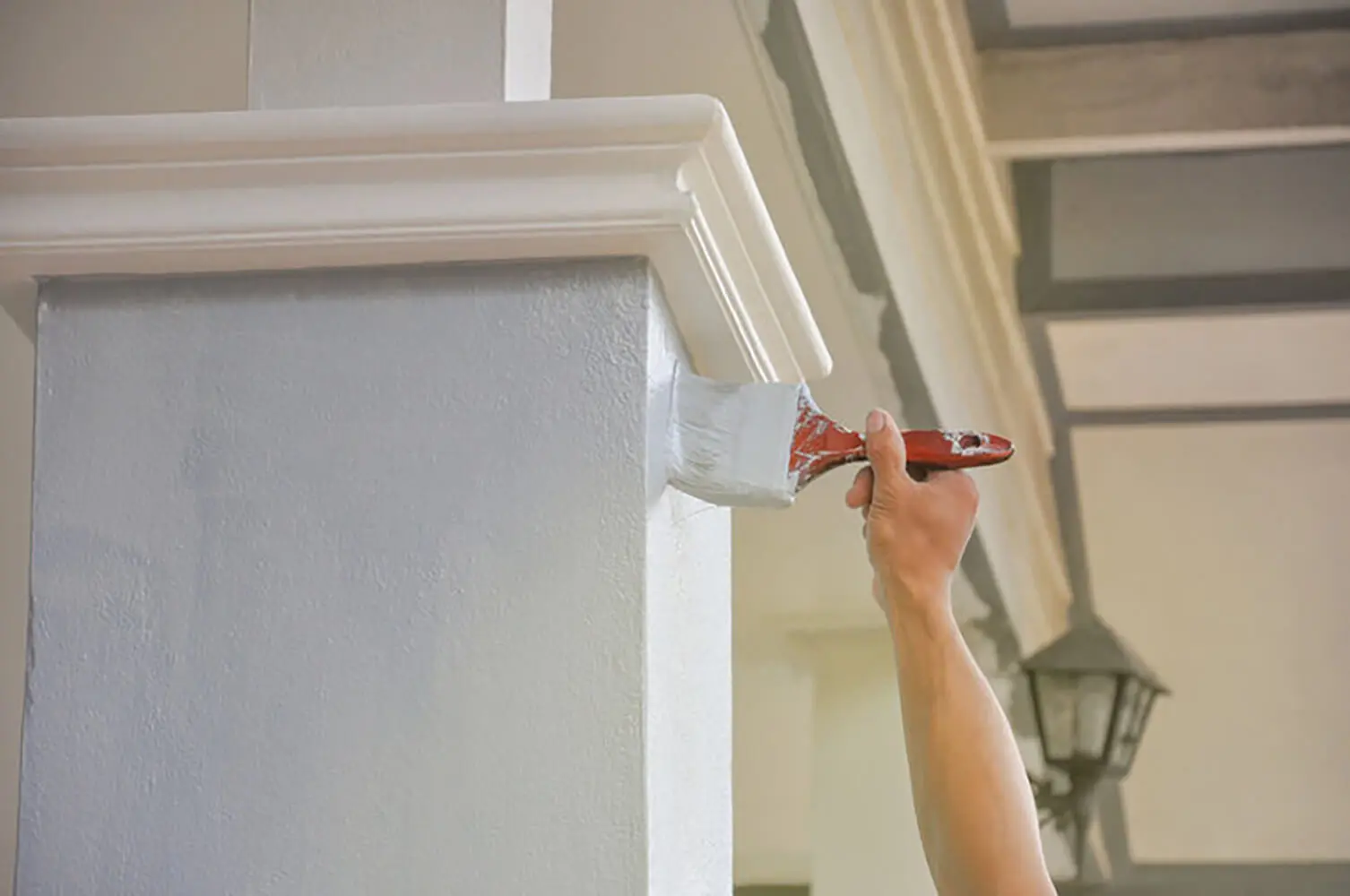
Exterior painting quotes can vary dramatically from one home to another.
Two houses on the same street might look similar at a glance, yet one estimate comes in thousands of dollars higher than the other. That difference often leaves homeowners wondering what actually goes into the numbers.
Understanding how exterior painting quotes are calculated helps remove the guesswork. When you know what painters are measuring, inspecting, and factoring into the price, you can review estimates with confidence instead of confusion.
A professional quote is more than a quick square-foot calculation. It reflects surface conditions, preparation needs, materials, safety planning, and overall project complexity.
In this guide, you’ll learn how exterior painting quotes are calculated, what the typical exterior painting estimate process looks like, and the main factors painters use to price exterior painting projects. By the end, you’ll have a clearer picture of what to expect before scheduling your own estimate.
Why Exterior Painting Quotes Are Not One-Size-Fits-All
No two homes are exactly alike, even if they appear similar from the street.
Exterior painting quotes are not one-size-fits-all because every property has different surfaces, conditions, and levels of complexity. A small ranch-style home with smooth siding requires a very different scope of work than a multi-story home with detailed trim, dormers, and varied materials.
Several variables make each project unique:
- The type of siding or exterior surface
- The amount of prep work required
- The architectural design and detail level
- Accessibility around the home
- Previous paint condition
Professional estimates account for more than just the visible square footage. They reflect the full scope of labor, materials, equipment, and time required to complete the project correctly.
For example, a home with peeling paint and wood repairs will require more preparation than a home in good condition. A property surrounded by landscaping, fences, or steep grading may require additional setup time and safety planning.
Because of these differences, accurate pricing almost always requires an on-site evaluation. Measurements, surface inspections, and conversations about goals help ensure the quote reflects the true needs of the home rather than a rough guess.
This tailored approach is what makes a professional exterior painting quote reliable.
The Exterior Painting Estimate Process Homeowners Can Expect
When homeowners schedule a consultation, the exterior painting estimate process follows a clear and structured approach.
Professional painters do not rely on quick guesses. They gather detailed information to make sure the quote reflects the true scope of the project.
The process usually begins with an on-site walkthrough and conversation.
During this visit, the estimator discusses your goals, color preferences, and any known problem areas. This helps clarify expectations and identify surfaces that may need special attention.
Next, accurate measurements are taken.
Painters calculate the total paintable surface area, including siding, trim, doors, windows, and other exterior features. These measurements help determine:
- Estimated labor time
- Amount of paint and primer needed
- Equipment requirements
After measuring, the estimator performs a thorough surface inspection.
They look for peeling paint, damaged siding, wood rot, cracked stucco, failed caulking, mildew, or moisture concerns. The condition of these surfaces directly impacts preparation time and materials.
Accessibility is also evaluated.
Steep grades, landscaping, decks, fencing, or tight spaces may require additional setup. Ladders, scaffolding, or lift equipment are factored into the overall plan to ensure safe and efficient work.
Once all details are gathered, the painter documents the full project scope, and you can get a clear picture of what comes next by understanding the professional exterior painting process.
This includes:
- Surfaces to be painted
- Preparation steps required
- Number of coats
- Materials to be used
- Estimated project timeline
By the end of this process, homeowners receive a detailed proposal based on actual measurements and inspection findings rather than rough averages.
The Main Factors Painters Use to Calculate Exterior Painting Quotes
Several core elements determine how painters price exterior painting projects.
These factors influence labor hours, material quantities, equipment needs, and overall project complexity. When combined, they explain why two homes of similar size can receive very different estimates.
Home Size and Total Paintable Surface Area
The total paintable surface area is one of the biggest cost drivers.
Painters measure the square footage of siding, trim, doors, windows, soffits, and other exterior components. Larger homes require more paint, more labor hours, and often more equipment.
It is important to understand that overall home size and paintable surface area are not always identical. Architectural features like dormers, gables, and detailed trim increase surface area even if the home’s interior square footage remains the same.
Multi-story homes also increase complexity and influence timelines, which ties directly into how often you should repaint your home’s exterior.
Additional height requires more setup time, ladder work, or scaffolding. Safety planning and slower production speeds at higher elevations can add to labor costs.
Surface Condition and Preparation Requirements
Preparation is one of the most labor-intensive parts of any exterior painting project.
If the existing paint is in good condition, prep may involve light sanding, minor scraping, and caulking. However, homes with peeling paint, cracked siding, wood rot, or moisture damage require significantly more work.
Common preparation steps may include:
- Pressure washing
- Scraping loose paint
- Sanding rough edges
- Replacing damaged wood
- Patching cracks
- Priming bare surfaces
The more extensive the prep, the more labor hours are required. Professional quotes include these steps because proper preparation directly impacts durability and long-term performance.
Exterior Surfaces Being Painted (Siding, Brick, Stucco, and More)
Different materials require different techniques, coatings, and levels of effort.
Wood siding often needs scraping and sanding before repainting. Brick and masonry may require specialized primers or breathable coatings. Stucco surfaces can demand additional patching and elastomeric products.
Common exterior surfaces include:
- Wood siding
- Vinyl siding
- Fiber cement
- Brick
- Stucco
- Aluminum
- Trim and fascia
Each material absorbs paint differently and may require specific preparation methods. Some surfaces also require specialty products, which can increase material costs.
Paint Quality, Coatings, and Finish Selection
Not all exterior paints are the same.
Higher-grade paints typically offer better durability, color retention, and resistance to weather. Premium coatings may cost more upfront but often extend the life of the paint job.
Quotes often reflect:
- Brand and product line
- Primer requirements
- Number of coats
- Finish selection
Certain finishes may require additional labor to apply evenly. Dark or bold color changes can also require extra coats for proper coverage.
Accessibility and Safety Considerations
Access around the home significantly affects labor time.
Steep slopes, tight property lines, heavy landscaping, or nearby structures can limit mobility and slow down production. Painters must plan safe access routes and equipment placement.
Additional considerations may include:
- Ladder placement challenges
- Scaffolding setup
- Lift rental
- Protection of plants, decks, or hardscaping
Safety is built into professional estimates because it directly impacts time and equipment needs.
Additional Scope Items Like Trim, Doors, and Detailed Features
Detailed elements often add more labor than homeowners expect.
Painting trim, shutters, garage doors, decorative brackets, or railings requires careful brushwork and precision. These features take longer than broad siding areas.
Common add-on items include:
- Window trim
- Door frames
- Garage doors
- Shutters
- Decorative accents
- Porches and railings
Each additional element increases labor time and material usage. While they may seem minor individually, they can meaningfully influence the final estimate when combined.
What a Detailed Exterior Painting Quote Should Include
A professional exterior painting quote should be clear, specific, and transparent.
If an estimate feels vague or overly simplified, it can be difficult to understand what you are actually paying for. A detailed proposal helps homeowners compare bids accurately and avoid misunderstandings later.
At a minimum, a thorough quote should outline the full scope of work.
This includes:
- All exterior surfaces to be painted
- Areas that are excluded
- Preparation steps required
- Repairs included (if any)
- Number of coats to be applied
The proposal should also specify materials.
Look for clear details about:
- Paint brand and product line
- Primer use
- Finish types
- Color changes or specialty coatings
Labor expectations should be documented as well.
A detailed quote typically includes:
- Estimated start date
- Project duration
- Crew size
- Cleanup procedures
Transparency around preparation is especially important. Since prep work plays a major role in durability, it should not be left undefined.
Clear language and an itemized scope reflect professionalism. When the estimate explains what will be done, how it will be done, and what materials will be used, homeowners can make informed decisions with confidence.
How to Compare Exterior Painting Quotes Confidently
When multiple estimates come in, it can be tempting to focus primarily on the lowest price, but cost alone rarely tells the full story. Understanding how exterior painting quotes are calculated makes it much easier to evaluate proposals side by side and determine what you are truly getting for your investment.
Begin by carefully reviewing the scope of work outlined in each estimate. Pay close attention to the surfaces included and excluded, the preparation steps described, the number of coats specified, any repairs mentioned, and the level of cleanup promised at the end of the project. If one quote includes detailed prep work such as scraping, sanding, priming, and caulking while another barely references preparation, that difference likely explains a significant portion of the pricing gap.
Next, compare the materials being used. Look for clarity around the paint brand, product line, primer requirements, and finish selections. Differences in material quality can directly affect both upfront cost and long-term durability.
It is also important to consider how clearly the proposal is written. A detailed, itemized estimate usually reflects a structured and professional approach, whereas vague proposals can lead to misunderstandings or unexpected changes once work begins.
Finally, evaluate the overall thoroughness of the estimator’s visit. Careful measurements, a close inspection of surfaces, and clear communication throughout the consultation often indicate a more accurate and reliable pricing process.
Understanding How Exterior Painting Quotes Are Calculated
When you understand how exterior painting quotes are calculated, the pricing process becomes far less mysterious.
Professional estimates are built around measurable factors such as surface area, preparation requirements, materials, accessibility, and project complexity. Each of these elements affects labor time, product usage, equipment needs, and overall scope.
Rather than relying on flat pricing or rough averages, painters evaluate the specific needs of your home. They measure paintable areas, inspect current surface conditions, identify safety considerations, and outline preparation steps that will ensure long-term performance.
Key factors that shape most quotes include:
- Total paintable surface area
- Condition of siding and trim
- Type of exterior materials
- Paint and coating selection
- Accessibility and safety planning
- Detailed features and add-on elements
Because every home has a different combination of these factors, no two estimates will look exactly the same.
Accurate quotes reflect the unique characteristics of your property. When a proposal clearly outlines scope, materials, and preparation, it provides a reliable foundation for planning your exterior painting project with confidence.
If you are ready for a clear and detailed exterior painting quote, OKCity Painting is here to help. We take the time to evaluate your home carefully, explain the scope clearly, and provide transparent pricing based on your property’s specific needs.
Contact OKCity Painting today to schedule your exterior painting consultation and let us help you plan your next project with confidence.