
What to Expect During a Professional Exterior Painting Project
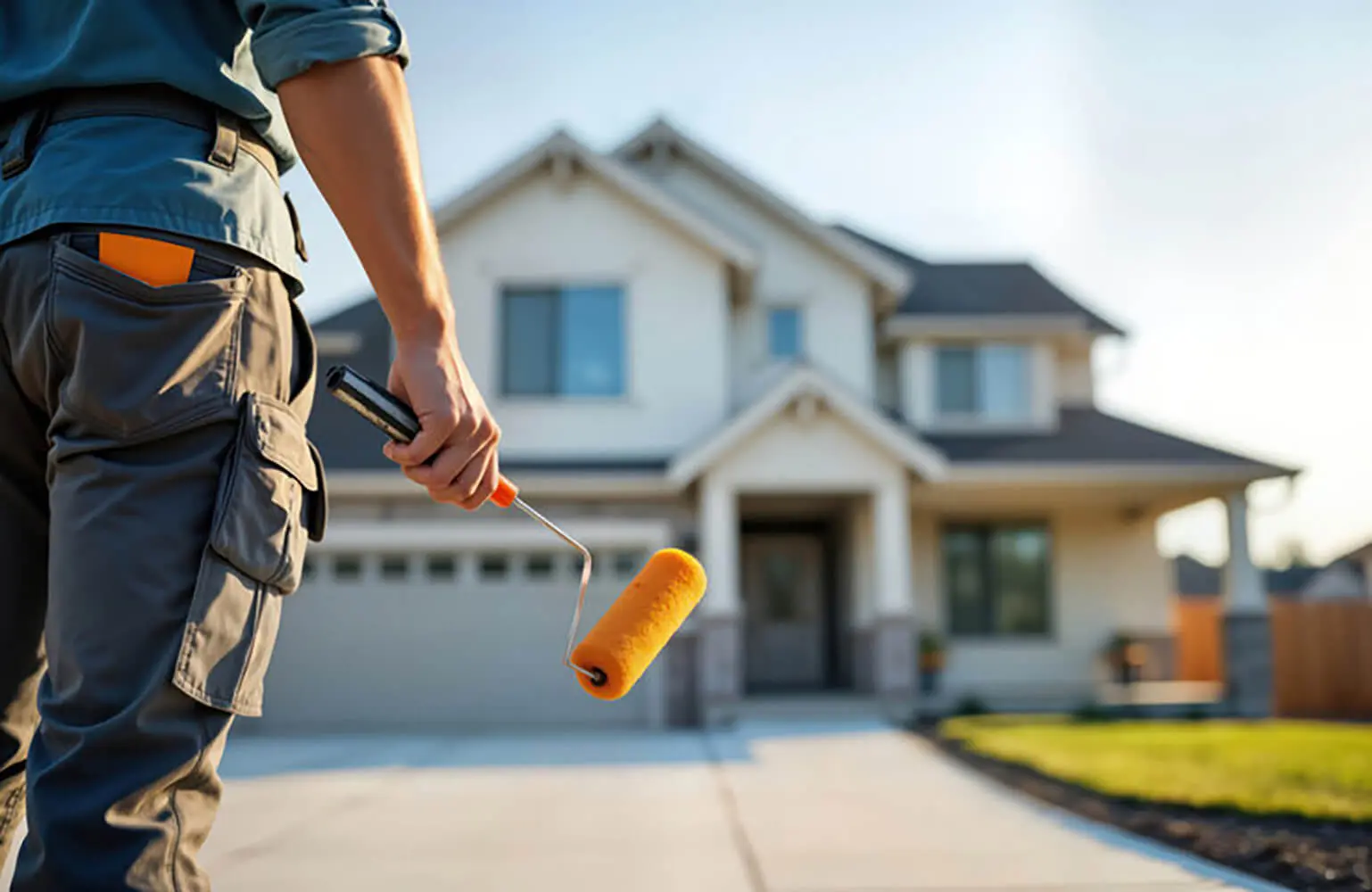
Hiring painters is a lot easier when you know what’s actually going to happen once the project starts. That’s why many homeowners want a clear breakdown of the professional exterior painting process before they commit.
Most questions are completely reasonable. How long will it take? How much disruption should you expect? What kind of prep is included? And what does “professional” really look like day-to-day while work is happening around your home?
The truth is, exterior painting is more than just applying a fresh coat of paint. A good project includes surface evaluation, careful preparation, weather planning, and a predictable workflow that protects your property and delivers results that last.
This guide walks through what you can expect during a professional exterior painting project from start to finish. You’ll get a simple, homeowner-friendly breakdown of how the work is planned, how the home is prepped, what the painting phase looks like, and how the final walkthrough typically works. By the end, you’ll feel more confident knowing what’s normal, what can affect the timeline, and how to prepare for a smooth experience.
What the Professional Exterior Painting Process Looks Like from Start to Finish
A professional exterior paint job isn’t just “show up and paint.” It follows a clear sequence, and knowing that sequence upfront makes the whole project feel a lot easier to plan around.
Here’s what the full process usually looks like:
- Consultation and evaluation: The home is assessed, the scope is confirmed, and colors and timing are discussed.
- Preparation and protection: Surfaces are cleaned, landscaping and nearby areas are protected, and prep work is completed so paint bonds properly.
- Painting phase: Paint is applied in an organized sequence, with attention to safety, coverage, and consistent finish quality.
- Drying and weather planning: Work may pause or adjust based on rain, humidity, or temperature to protect the results.
- Final touch-ups and walkthrough: Details are cleaned up, the property is cleared, and homeowners review the finished exterior before the job is signed off.
Once you understand that flow, the professional exterior painting process feels more predictable. You’ll know what’s happening, why certain steps take time, and what “normal” looks like from day one through the final walkthrough.
What Happens Before Exterior Painting Begins
Before the first drop cloth goes down, a professional exterior paint job starts with planning. This part matters more than most homeowners realize, because it’s where the scope gets defined and expectations get set.
It usually begins with an on-site consultation. A painter will walk the exterior of your home and look at things like:
- The condition of the existing paint (peeling, chalky areas, cracking)
- The type of surfaces being painted (siding, trim, doors, details)
- Any problem spots that may need extra prep or repair
From there, the scope of work gets clarified, which helps avoid common exterior painting mistakes that can cost you thousands once the project is underway.
Color and finish discussions also happen here. Some homeowners already know exactly what they want, while others need help narrowing choices based on the style of the home and how the exterior holds up over time.
Once everything is confirmed, the estimate is finalized and scheduling is set. Timing often depends on weather windows, crew availability, and how long prep and painting are expected to take.
The goal of this stage is simple: everyone should know what’s being painted, what’s included, and what the timeline will realistically look like before the project begins.
How a Home Is Prepared for Exterior Painting
Exterior paint lasts longer when the surface underneath is clean, stable, and properly prepped. That’s why preparation is one of the biggest parts of a professional exterior painting process, even though it’s the part homeowners don’t always see coming.
Before painting starts, crews typically protect anything that shouldn’t get paint or overspray. This usually includes landscaping, walkways, patios, outdoor fixtures, and nearby surfaces.
Then the surface gets cleaned. In most cases, that means power washing to remove dirt, dust, mildew, and old buildup so the new paint can properly bond.
After cleaning, the real prep work begins. Depending on the home, this may include:
- Scraping loose or peeling paint
- Sanding rough edges for a smoother finish
- Caulking gaps around trim and joints
- Handling minor repairs in areas with visible wear or damage
This stage can feel slow compared to “finally painting,” but it’s what helps prevent early peeling, patchy coverage, and uneven results later on.
A quick way to think about it is this: paint looks best and lasts longest when it’s applied to a surface that’s ready for it. Prep is the foundation that keeps the finished exterior looking clean, even, and durable through real weather.
What to Expect During the Exterior Painting Phase
Once prep work is complete, the painting phase moves much faster. This is the part homeowners usually notice most, because you’ll see steady progress on the exterior day by day.
Professional crews typically work in an organized sequence so the finish stays clean and consistent. The exact order can vary, but most projects follow a flow like this:
- Trim and detailed edges get handled first or alongside the main surfaces
- Siding and larger areas are painted in sections to keep coverage even
- Doors, accents, and final detail work are completed once the main body is done
During the painting itself, crews focus on applying paint safely and efficiently. That means using proper ladders or equipment, maintaining clean edges, and keeping paint coverage consistent across different sides of the house.
Weather is also monitored closely while painting is underway. If conditions shift—like high wind, extreme heat, or unexpected moisture—professionals may pause or adjust the schedule to avoid problems with adhesion or drying.
Day-to-day, homeowners usually notice:
- A crew arriving in the morning and working in phases around the home
- Areas being taped off or protected as different sections are painted
- A gradual “transformation” as colors start to come together across the exterior
This part of the project can feel exciting, but it’s still controlled and methodical. The goal isn’t speed at all costs—it’s a smooth, even finish that looks great across every surface.
How Drying, Curing, and Weather Affect the Project Timeline
One of the most common surprises homeowners run into is that exterior paint doesn’t just “dry” and call it done. There’s a difference between paint that feels dry to the touch and paint that’s fully cured.
Dry-to-touch usually happens relatively quickly. That’s the point where the surface doesn’t feel wet anymore and can handle light contact.
Curing takes longer. That’s when the paint fully hardens and reaches its long-term durability. This can take days or even weeks depending on conditions, even though the project itself may be finished.
Weather plays a big role in how smooth the timeline feels, and choosing the best paints for Oklahoma’s extreme weather helps protect the finish through heat, wind, and seasonal shifts.
Here’s what can impact progress the most:
- Cool temps or high humidity: Paint can dry slower, which affects how soon the next coat or section can be completed.
- Rain or storms: Exterior projects may pause completely during wet weather to avoid adhesion issues.
- Extreme heat or strong wind: These conditions can create challenges with application and drying, so crews may adjust timing or work in different areas of the home.
This is why exterior painting often spans multiple days. It’s not always about how fast painters work—it’s about allowing proper drying time, working safely, and protecting the finish so it lasts longer once the project is complete.
What Happens at the End of a Professional Exterior Painting Project
As the painting wraps up, the focus shifts from “big progress” to details. This is when crews make sure the finish looks clean from every angle and the home is left in good shape.
Final touch-ups are usually the first step. That can include tightening up edges, fixing small missed spots, and making sure the coverage looks even across siding, trim, and any detailed areas.
After that, the work area gets cleaned up. Protective coverings are removed, furniture or items that were moved get returned to place when possible, and the crew makes sure paint debris, tape, and materials are cleared from the property.
A final walkthrough is also a normal part of the process. This gives homeowners a chance to review the exterior with the painter and confirm that everything in the scope was completed as expected.
If anything needs attention, it’s typically handled as a quick punch-list:
- Small touch-ups
- Minor corrections in high-visibility areas
- Any missed details that stand out in different lighting
This stage is what helps the project feel fully finished. Rather than “good enough,” a professional close-out ensures the exterior looks clean, complete, and consistent before sign-off.
What Can Speed Up or Delay a Professional Exterior Painting Project
Even with good planning, exterior painting timelines can shift, especially if the home is already overdue based on how often you should repaint your home’s exterior.
The best way to think about it is this: a professional exterior painting timeline depends on both the condition of the home and what the weather allows.
Things that often help a project stay on schedule:
- Stable weather with good painting conditions
- Clear access around the home (gates unlocked, work areas open)
- A defined scope with no last-minute changes
- Exterior surfaces that don’t need major repair work
Common reasons timelines extend:
- Weather changes and unexpected rain: Rain can pause progress completely, and even after a storm, surfaces may need time to dry before painting can continue.
- Additional prep or repairs discovered mid-project: Sometimes peeling paint, rotted wood, or surface damage isn’t fully visible until cleaning and prep work begins. When more prep is needed, it adds time—but it also improves long-term results.
- Scope changes or color adjustments after work begins: Adding trim, changing colors, or expanding the project mid-way can slow things down because it affects materials, scheduling, and application steps.
Most delays aren’t a sign that anything is “going wrong.” They’re usually a sign that the project is being handled carefully instead of rushed, especially when weather or surface condition demands more time.
How Homeowners Can Prepare for a Smooth Exterior Painting Experience
A professional crew will handle the heavy lifting, but there are a few simple things homeowners can do ahead of time that make the whole project smoother. It’s less about “getting the house ready to paint,” and more about making sure the painters can work efficiently without delays.
A few quick steps that help the most:
- Make sure gates are unlocked and access points are clear
- Move vehicles out of the driveway if it blocks work areas
- Clear outdoor furniture, grills, planters, and décor near the home
- Trim back any plants or branches that press against the exterior
It also helps to plan around daily routines. If you have pets that spend time in the yard, think ahead about where they’ll be during the workday. Some homeowners keep dogs inside or use a different entry while painters work around fences and gates.
Parking is another small thing that makes a difference. Crews need space for ladders, materials, and equipment, so keeping the work zone open helps projects move faster and safer.
More access and space allow crews to work efficiently, resulting in fewer interruptions and a smoother overall experience.
Final Thoughts: A Clear Process Means Better Results
A professional exterior painting project goes a lot smoother when you know what to expect. Understanding the stages—planning, prep, painting, drying, and walkthrough—makes the timeline and daily impact easier to anticipate.
The biggest takeaway is that the best results don’t come from rushing. They come from proper prep, careful weather planning, and a clear process that protects your home and finish.
If you’re considering an exterior repaint, it helps to understand how professional exterior painting services are structured so expectations are clear before work begins.
If you’d like help planning your project, you can request a free exterior painting estimate to get clear pricing, timelines, and expectations before work begins.