
Factors That Affect the Timeline of an Exterior Painting Project
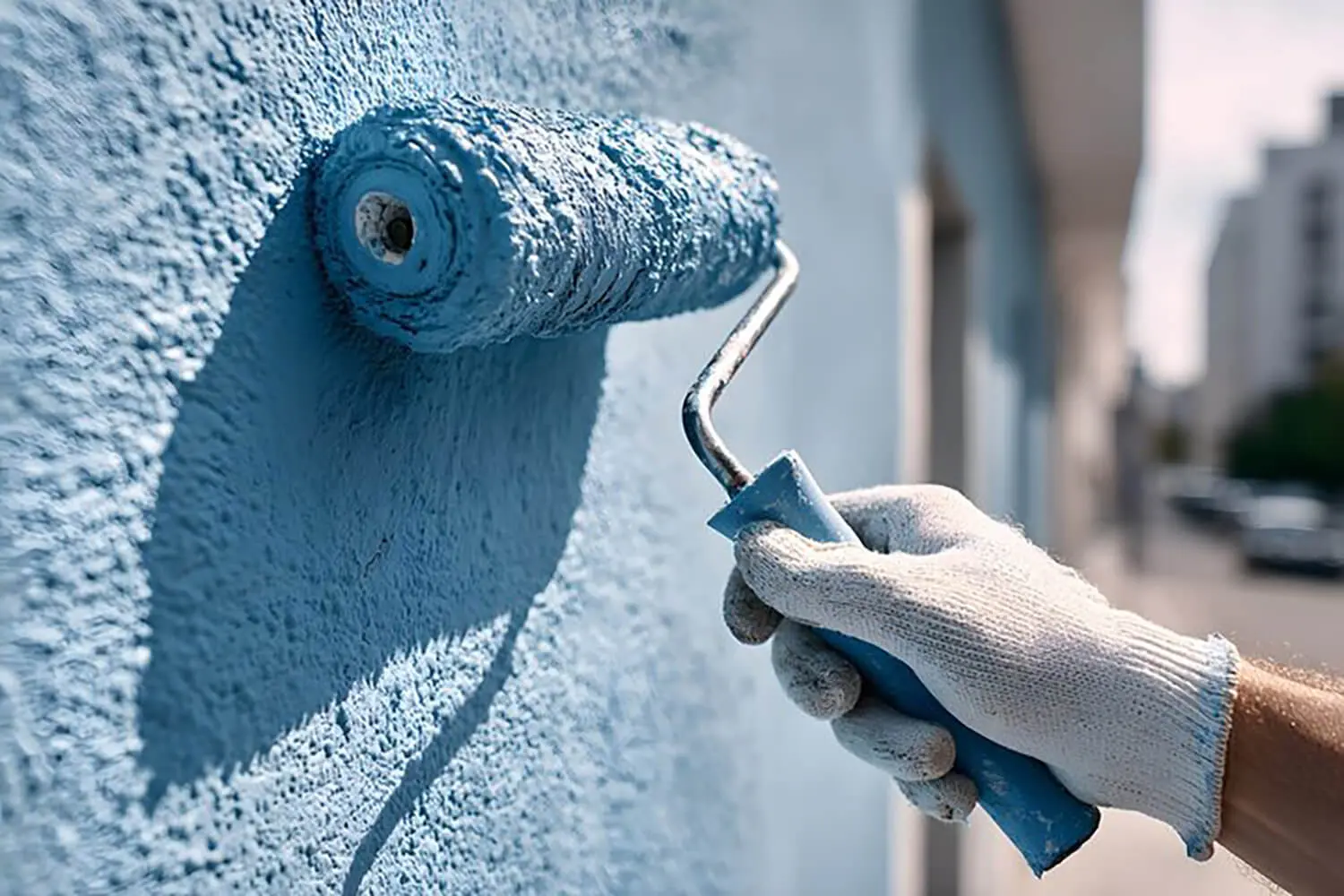
Many homeowners begin planning an exterior painting project with one key question in mind: How long will the work take from start to finish? While it might seem like a straightforward process, the actual timeline can vary significantly from one home to another.
Several variables influence how quickly an exterior painting project can be completed. Weather conditions, surface preparation, the size of the home, and the complexity of the work all play a role in determining how long the project will take. Even scheduling logistics and the type of paint used can affect how quickly painters are able to move from preparation to final coats.
Understanding the factors that affect the timeline of an exterior painting project can help homeowners plan ahead and set realistic expectations. A project that takes several days for one home may take longer for another depending on these conditions.
By learning what influences the schedule, homeowners can better understand why timelines sometimes shift and why professional painters carefully plan each stage of the work.
This article explains the most important factors that affect the timeline of an exterior painting project so homeowners can better anticipate how their own project may unfold.
Weather Conditions and Seasonal Timing
Weather is one of the most important exterior painting timeline factors. Because exterior paint is applied outdoors, environmental conditions directly affect when work can begin and how quickly it can progress. Many homeowners also plan projects around the best time of year for exterior painting so weather conditions are more predictable.
Paint must be applied within specific temperature and moisture ranges to adhere properly and cure as intended. If conditions fall outside those ranges, the paint may not perform correctly, which is why professional painters monitor the forecast closely before and during a project.
Several weather elements influence scheduling:
- Temperature – Most exterior paints perform best within a certain temperature range. Temperatures that are too cold or too hot can affect how the paint bonds and dries.
- Humidity – High humidity can slow the drying process and extend the time needed between coats.
- Rain – Rain can halt painting work entirely and may require surfaces to dry thoroughly before painting resumes.
- Wind – Strong wind can interfere with application, carry debris onto wet paint, and create uneven finishes.
Because of these variables, unfavorable weather conditions may delay the start of a project or temporarily pause work that is already underway. Even when the forecast appears favorable, painters must allow for proper drying time before moving to the next stage.
Professional painting companies carefully schedule projects around seasonal patterns and short-term weather forecasts. This helps ensure that paint is applied under the right conditions, protecting both the appearance and durability of the finished result.
The Condition of Existing Surfaces
Another important factor that affects the timeline of an exterior painting project is the condition of the home’s existing surfaces. Before any paint can be applied, painters must evaluate the siding, trim, and other exterior materials to determine how much repair or preparation is required.
Homes with surfaces that are already in good condition typically move through the process more quickly. When siding and trim are stable, clean, and free of damage, painters can begin preparation and painting with fewer delays.
However, many homes require additional work before painting can begin. Exterior surfaces are exposed to years of weather, moisture, and sunlight, which can gradually cause deterioration.
Common surface issues that can extend the timeline include:
- Peeling or flaking paint that must be scraped and removed
- Cracked or damaged siding that requires repair
- Wood rot in trim boards or fascia
- Moisture damage that needs to dry or be corrected
- Gaps or cracks that require caulking and sealing
Each of these problems must be addressed before painting starts. Applying paint over damaged or unstable surfaces can lead to poor adhesion and premature paint failure.
A thorough inspection of the home’s exterior helps determine how much repair work is necessary. This evaluation is an essential step in planning the schedule, as the overall condition of the surfaces often determines how quickly a project can move from preparation to painting.
Surface Preparation Requirements
Surface preparation is often the most time-intensive stage of an exterior painting project. While homeowners may focus primarily on the painting itself, the work that happens before the first coat is applied plays a major role in determining how long the project will take.
Preparation ensures that paint adheres properly and performs well over time. Without thorough preparation, even high-quality paint may struggle to bond to the surface, which can lead to peeling, cracking, or premature wear.
Exterior preparation typically begins with cleaning the surfaces. Dirt, mildew, chalky residue, and environmental buildup must be removed so the paint can bond directly to the material underneath. Professional painters often wash the exterior using specialized equipment and allow adequate drying time before moving forward.
Once the surfaces are clean and dry, painters address loose or failing paint. Areas where old paint is peeling or flaking must be scraped away, and rough edges are usually sanded to create a smooth transition between existing coatings and bare surfaces.
After repairs and smoothing are completed, primer may be applied to areas where bare material is exposed. Primer helps seal the surface and creates a consistent base for the finish coats of paint.
Because each home requires a different level of preparation, this stage can vary considerably in length. Homes with extensive peeling paint or surface damage require more preparation time, while well-maintained exteriors allow painters to move through this phase more quickly.
Size and Architectural Complexity of the Home
The size of a home is another major factor that affects the timeline of an exterior painting project. Larger homes naturally require more time because there is simply more surface area that must be prepared and painted, which is also one of the main exterior painting cost factors homeowners consider when planning a project.
However, the overall timeline is not determined by size alone. Architectural complexity can also increase the amount of time required to complete the project. Homes with detailed features or difficult access points often require painters to work more carefully and methodically.
Several structural elements can extend the duration of the project:
- Multi-story construction that requires ladders, scaffolding, or specialized equipment for safe access
- Detailed trim work that involves precise painting along windows, doors, and corners
- Dormers, gables, or roofline features that create additional surfaces to paint
- Shutters, railings, or decorative accents that require careful attention
- Tight or difficult-to-reach areas where painters must work more slowly
Each of these features adds additional steps to the process. Painters must often reposition equipment, adjust their working angles, and apply paint carefully to ensure even coverage across every surface.
Because of this, two homes with similar square footage can still have very different timelines. A home with simple siding and minimal architectural detail may be completed relatively quickly, while a home with complex features may require additional time to achieve a clean, consistent finish.
Paint Selection and Application Process
The type of paint used and the way it is applied also influence how long an exterior painting project takes. Different paint products have specific application requirements, and these requirements can affect both the pace of the work and the time needed between stages.
Exterior paints are designed to withstand sun exposure, moisture, and temperature changes. To achieve this durability, the paint must be applied in a way that allows each layer to dry and cure properly. Rushing this process can affect the final appearance and long-term performance of the coating.
Several factors related to paint selection and application can affect the schedule:
- The number of coats required for full, even coverage
- Drying time between coats before the next layer can be applied
- The use of primer when surfaces are bare or when making significant color changes
- The paint formulation, which may have different recommended drying conditions
- The method of application, such as brushing, rolling, or spraying
For example, changing from a darker color to a lighter one may require additional coats to achieve consistent coverage. Some surfaces may also absorb paint differently, which can influence how many coats are needed.
Professional painters follow manufacturer guidelines to ensure that each coat dries properly before continuing. While this may add time to the project, it helps ensure the finish looks uniform and holds up well against weather and outdoor exposure.
Project Scheduling and Crew Size
Scheduling logistics are another factor in what affects exterior painting schedule. Even when weather conditions are favorable and the home is ready for painting, the project timeline can still be influenced by how the work is scheduled and how many painters are assigned to the job.
Professional painting companies typically manage multiple projects at once. Because of this, scheduling depends on crew availability, current workloads, and the order in which projects are booked.
The number of painters working on a project also affects how quickly the work progresses. A larger crew can often complete preparation and painting tasks more efficiently, while a smaller team may require additional time to move through each stage.
Several scheduling elements may influence the overall timeline:
- The availability of painting crews during the desired timeframe
- How many painters are assigned to the project
- The company’s workload during peak painting seasons
- Coordination with other projects already in progress
Demand for exterior painting services often increases during the warmer months when weather conditions are more favorable. During these busy seasons, there may be a longer lead time between booking the project and the start date.
Once work begins, the size and coordination of the crew help determine how efficiently the project moves forward. Professional painters plan these logistics carefully so the work can be completed safely, efficiently, and with consistent quality.
What Homeowners Should Expect From an Exterior Painting Timeline
Several different elements work together to determine how long an exterior painting project will take. Weather conditions, surface preparation, and the overall condition of the home all influence how quickly painters can move from preparation to final coats.
Other important factors include the size and architectural complexity of the home, the type of paint being used, and how the project is scheduled. Each of these variables contributes to the overall schedule, which is why timelines can vary from one home to another.
Understanding the factors that affect the timeline of an exterior painting project helps homeowners set realistic expectations before work begins. While some projects can be completed relatively quickly, others require additional time to ensure surfaces are properly prepared and that paint is applied under the right conditions.
Professional painters typically provide timeline estimates after evaluating the property in person. This allows them to assess the condition of the exterior, identify preparation needs, and determine the most appropriate schedule for the work.
Proper preparation, careful planning, and favorable conditions all contribute to a successful exterior painting project. When these elements come together, the result is a finish that looks great and holds up well over time.
If you are considering an exterior painting project, the team at OKCity Painting can help you understand what to expect. Our professionals evaluate each home carefully and provide a clear timeline based on the specific needs of the project. Contact us to discuss your exterior painting plans and receive a professional estimate for your home.