
How Weather Affects Exterior Painting in Oklahoma City
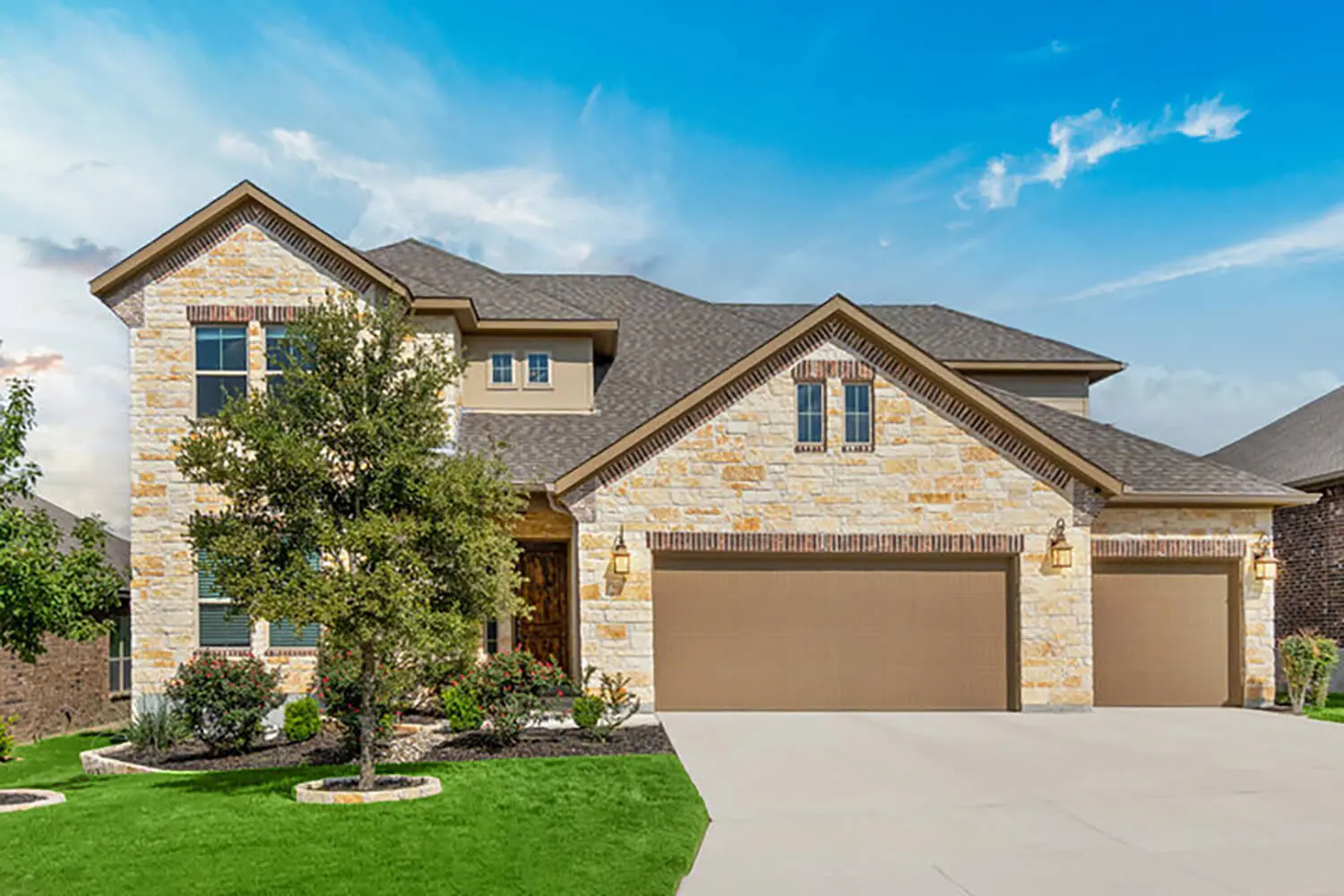
Most homeowners plan an exterior painting project the same way they plan a landscaping job. Pick a season that sounds reasonable, put it on the calendar, and expect the crew to show up and get it done. That approach works for a lot of home projects, but exterior paint doesn’t play by those rules.
Paint doesn’t just need to dry. It needs to cure, and that process is far more sensitive to weather than most people realize. In a market like Oklahoma City, where temperatures can spike, humidity can swing, and a clear morning can turn into a storm by afternoon, that sensitivity matters more than almost anywhere else in the country. A paint job that looks perfect on the day it’s finished can start failing within months if the weather worked against it during application.
Here’s what’s actually happening to your paint when the temperature climbs, the humidity shifts, the wind picks up, or a storm rolls in, and why the timing of your project matters more than the quote you get.
Why Exterior Paint Needs the Right Conditions to Perform
Paint has to go through a complete cure process, not just a surface dry, and that process depends on temperature and moisture staying within a workable range from the moment it’s applied through several days afterward.
As paint cures, the water or solvents in it evaporate, and what’s left behind forms a durable film that bonds to the surface underneath. When that process happens too fast or too slow, the film never bonds or hardens the way it’s supposed to.
Here’s the misconception that trips up a lot of homeowners: paint that feels dry to the touch isn’t necessarily cured. Full cure can take several days longer than the surface-dry stage, and it’s during that extended window that weather does the most damage.
Paint that cures under the wrong conditions tends to show it fairly quickly. Common signs include:
- Peeling or flaking within the first year instead of holding for a decade
- Blistering where moisture got trapped during the cure
- Discoloration or dullness in patches rather than an even finish across the wall
Paint that cures properly under the right conditions avoids all three. If you’re curious just how long that difference can add up to, a properly cured exterior paint job in this climate can hold up for a decade or more.
The Weather Conditions That Put an Oklahoma City Paint Job at Risk
Oklahoma City’s climate creates four specific risk factors more aggressively than most parts of the country: extreme heat, humidity swings, persistent wind, and fast-moving storms. Each one threatens a different part of the painting process.
Extreme Heat and Surface Temperature
Summer surface temperatures on siding and trim in Oklahoma City can run well above the air temperature. Painting on an overheated surface causes the outer layer to skin over while the paint underneath is still wet.
That mismatch creates a weak bond between coats. It often shows up later as:
- Blistering, where trapped moisture pushes up under the surface
- Bubbling as the outer layer separates from the coat beneath it
- A rough, uneven texture where the paint couldn’t settle before it skinned over
Homeowners often check the air temperature forecast and assume that’s good enough. It isn’t. A sun-exposed wall can run 20 degrees hotter than the air around it, which means a mild 70-degree day can still be too hot to paint on the wrong side of the house.
Crews who track surface temperature, not just the forecast, and shift to early morning or evening work on exposed walls get a finish that bonds correctly the first time. That’s what avoids the redo costs that come with heat-damaged paint.
Humidity and Trapped Moisture
Humidity in Oklahoma City can spike quickly, and high humidity slows evaporation. That means a second coat can go on before the first one has actually finished curing underneath it.
Trapping moisture between coats leads to a few predictable problems:
- Soft spots that never fully harden
- Discoloration where moisture gets sealed in
- A finish that stays vulnerable long after it looks complete
It’s not just about avoiding humid days, either. Very low humidity paired with high heat causes the opposite problem. Paint dries so fast that lap marks and inconsistent sheen start to show up. The workable window is narrower than most people expect.
None of this is only about the weather during application, either. How a surface was prepared beforehand plays into how well it tolerates humidity swings once the paint is on. Proper prep work affects how well a surface handles moisture long after the crew has packed up, which is part of why cutting corners on prep tends to show up as a humidity-related problem later.
Managing both ends of the humidity range is what separates a finish that looks uniform and holds its color from one with visible streaking or early softening.
Wind and Airborne Debris
Wind does more than make application harder for a crew. It carries dust, pollen, and debris directly into wet paint, and it dries one side of a wall faster than the other, creating visible inconsistency across a single surface.
Paint stays tacky for a meaningful window after it’s applied, which creates a few specific risks:
- Dust and pollen landing on the surface and becoming permanently embedded in the finish
- Uneven drying between exposed and sheltered walls, leading to different sheen levels side by side
- Difficulty controlling spray application, which can affect coverage and consistency
Most homeowners think of wind as a hazard for spray equipment and nothing more. It’s actually a factor in how the finish itself turns out, well after the paint is already on the wall.
Crews who monitor wind throughout the day, not just before they start, can time application around calmer windows. That’s what avoids the gritty, uneven texture that shows up when debris gets trapped mid-cure.
Storms and Sudden Rain
Oklahoma’s fast-moving storm systems can turn a clear morning into rain within hours. Rain hitting paint before it cures can cause a range of problems:
- Washed-out pigment where rain hits before the coat has set
- Visible streaking across the surface
- Entire sections needing to be redone from scratch
Even a storm that passes without direct contact can spike humidity afterward, which extends the cure window and delays whatever comes next in the project.
The risk isn’t just the rain itself. It’s how little warning these systems can give before they hit, which is different from the more predictable rain patterns in a lot of other regions.
Because storm systems here can develop with little warning, a project without buffer time risks leaving a wall partially painted or exposed mid-cure when the weather turns. Building slack into the schedule protects the work that’s already underway, not just the timing of when to start.
Why Short-Term Timing Matters More Than Choosing a Season
Because weather in Oklahoma can shift meaningfully within the same week, picking a good season isn’t enough on its own. The schedule has to respond to short-term conditions as the project actually unfolds.
A spring or fall start date can still run into any of the following:
- A sudden heat spike that pushes surface temperatures too high
- A humid stretch that slows curing mid-project
- A storm system that interrupts a section that’s already underway
The real skill isn’t picking the right month. It’s reading trends day to day and adjusting sequencing, like which walls get painted when, as conditions change.
This is the direct answer to why timing matters here: weather planning isn’t about avoiding summer and winter. It’s about ongoing monitoring throughout the project, regardless of what season it starts in.
This kind of active scheduling is also the biggest invisible difference between painting quotes. A lower price that doesn’t build in weather flexibility often means a rushed job that skips this step entirely, which is part of why some paint jobs need attention again far sooner than they should.
What a Weather-Smart Painting Schedule Means for Your Project
Oklahoma City’s heat, humidity, wind, and storms all directly affect how well exterior paint bonds and how long it lasts. The factors that matter most when timing a project include:
- Surface temperature, not just the air temperature on the forecast
- Humidity levels before, during, and after application
- Wind conditions throughout the day, not only at the start
- Storm patterns and how much buffer time the schedule allows
The biggest factor in avoiding problems isn’t the paint brand or even the crew’s skill. It’s a schedule built around real conditions instead of a fixed date on a calendar.
Skipping that kind of planning is how paint jobs that look great at completion end up needing costly touch-ups, or a full repaint, within a couple of years. If you’ve noticed early signs that your home’s exterior needs attention, weather conditions during the last paint job may be part of the story.
We build every exterior project around Oklahoma’s actual weather patterns, not just a date on the calendar. We monitor conditions closely from prep through the final coat, because we’ve seen firsthand how much of a difference that makes in how long a finish holds up. If you’re planning an exterior painting project and want a team that treats timing with the same care as craftsmanship, we’d love to talk through your schedule and get you a free quote.