
Interior Painting for Older Homes: What Homeowners Should Expect
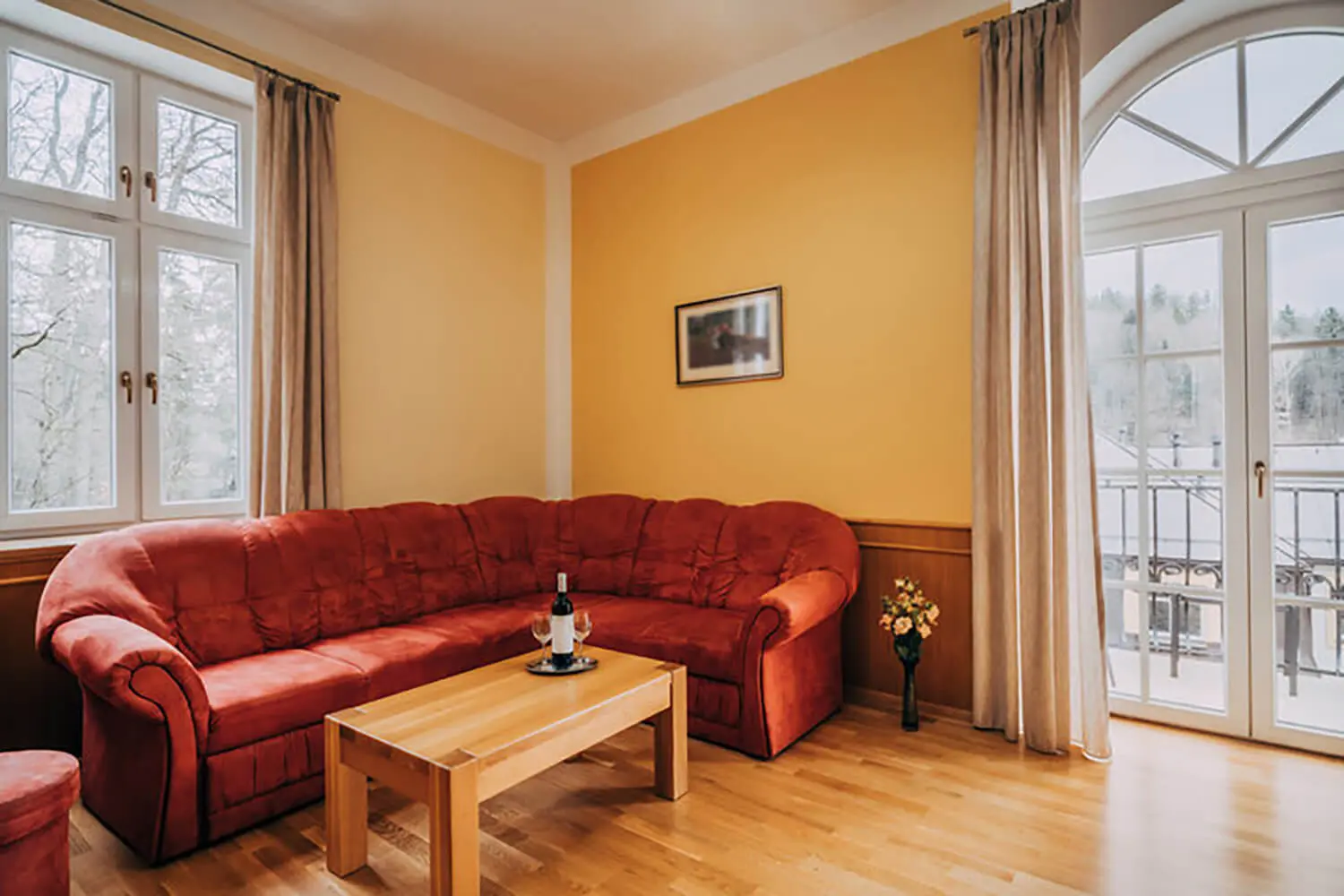
Older homes have a character that many homeowners love. Details like original trim, plaster walls, and historic architecture can give a home a sense of warmth and craftsmanship that newer construction often lacks.
However, when it comes time to repaint the interior, many homeowners wonder if older houses require a different approach. Surfaces that have been painted many times over the decades, aging materials, and small structural changes can all affect how a painting project should be handled.
Interior painting for older homes often involves more evaluation and preparation than painting a newer space. Walls and trim may have developed cracks, uneven textures, or layers of previous paint that need attention before a new finish can be applied successfully.
Understanding these factors ahead of time can help homeowners approach a painting project with realistic expectations. When the process is handled properly, fresh paint can enhance the beauty of an older home while protecting its surfaces and preserving its character.
This guide explains what homeowners should expect during interior painting for older homes, including common surface conditions, preparation requirements, safety considerations, and how professional painters typically approach these projects.
Interior Painting in Older Homes Often Requires More Evaluation Than Newer Houses
Older homes often contain materials and construction details that differ from what is commonly found in newer houses. Because of this, interior painting projects usually begin with a closer inspection of the existing surfaces.
Walls, trim, and ceilings in older homes may be made from materials such as traditional plaster, early drywall installations, or older woodwork that has been repainted many times. These surfaces can behave differently from modern materials when new paint is applied.
Over the years, many older homes have been repainted multiple times. Each layer of paint adds thickness, which can eventually affect the smoothness of the surface. In some cases, heavy buildup can lead to visible brush marks, uneven edges around trim, or areas where the paint begins to separate from earlier layers.
Normal structural settling can also influence the condition of interior surfaces. As homes age, minor shifts in framing can lead to cosmetic imperfections such as hairline cracks, nail pops, or slightly uneven walls. These issues are common in older houses and typically require attention before a new coat of paint is applied.
Because of these factors, painting older homes interior spaces usually begins with a careful evaluation of the walls, trim, and ceilings. Identifying surface issues early helps painters plan preparation and achieve strong paint adhesion and a consistent finish.
Taking time to assess these conditions helps prevent problems later in the project and supports longer-lasting results.
Aging Interior Surfaces Often Develop Issues That Must Be Addressed Before Painting
Interior surfaces in older homes often develop small imperfections over time. Before new paint is applied, these conditions usually need to be repaired so the final finish appears smooth and consistent.
Many of these issues are common in older houses and are typically the result of natural settling, previous repairs, or decades of repainting. Addressing them during preparation helps ensure the new paint adheres properly and produces a more even result.
Common surface conditions found in older homes include:
- Cracks in plaster or drywall, which often appear as homes naturally settle and may run along seams, corners, or across flat wall surfaces.
- Nail pops and small surface bumps that occur when framing movement pushes fasteners slightly outward over time.
- Uneven textures from past repairs, where older patchwork may not perfectly match the surrounding surface.
- Built-up layers of older paint, especially around trim, doors, and windows where repeated repainting creates thick edges.
- Peeling or separating paint layers that have gradually lost adhesion after years of exposure and wear.
Correcting these issues before painting helps create a smoother surface and allows the new paint to perform as intended.
Older Homes Often Require Additional Surface Preparation Before Painting
Once common surface issues have been identified, preparation becomes one of the most important parts of the project. Interior painting for older homes often requires extra preparation because aging materials and old paint layers affect adhesion.
Skipping or rushing these steps can lead to uneven finishes, poor coverage, or paint that fails sooner than expected. Taking the time to properly prepare older surfaces helps create a stable foundation for the new paint. Understanding the basics of interior painting preparation can also help homeowners see why cleaning, repairs, and priming play such an important role in achieving a smooth and durable finish.
Preparation for painting older homes interior spaces often includes several key steps:
- Cleaning surfaces to remove dust, oils, or residue that may have accumulated over many years. Even small amounts of residue can prevent paint from bonding properly.
- Repairing cracks, dents, and other surface imperfections so the walls and ceilings appear smooth once painted. This may involve patching plaster or drywall and sanding the repaired areas.
- Sanding rough or built-up paint layers, particularly around trim, doors, and window frames where repeated repainting may have created thick edges.
- Priming surfaces to improve adhesion and coverage. Older materials or previously painted areas often benefit from a primer that helps stabilize the surface and allows the finish coat to apply evenly.
These preparation steps are essential for achieving professional results. Proper surface preparation allows new paint to bond correctly and helps ensure the finish remains durable and consistent over time.
Homes Built Before 1978 May Require Lead Paint Safety Precautions
In some older homes, interior painting projects may involve an additional consideration: lead-based paint. Homes built before 1978 may contain paint that includes lead, which was commonly used before federal regulations restricted its use.
Lead paint is not always visible, and it may exist beneath newer layers of paint that were applied over the years. Because of this, painters working in older houses often take precautions when preparing surfaces that could potentially contain lead-based coatings.
When interior painting older houses, professionals typically follow established safety guidelines to reduce potential exposure during preparation and repair work.
These precautions may include:
- Testing painted surfaces when lead paint is suspected.
- Using preparation methods that minimize dust and paint particles.
- Containing the work area to prevent debris from spreading to other parts of the home.
- Carefully collecting and disposing of removed paint materials.
These practices help protect both the homeowners and the workers involved in the project.
When lead paint is present, painting older interiors may require extra planning and preparation. Experienced painters follow safety procedures and complete the work while maintaining a durable, high-quality finish.
Professional Painters Typically Inspect, Prepare, and Paint Older Homes in Stages
Painting the interior of an older home usually follows a structured process. Because aging materials and surface conditions can vary from room to room, professional painters typically approach the work in stages to ensure each step is completed properly.
The process often begins with a detailed inspection of the interior surfaces. During this stage, painters examine the walls, ceilings, and trim to identify cracks, previous repairs, paint buildup, or areas where the existing paint may be failing. This evaluation helps determine what type of preparation will be needed before painting begins.
After the inspection, preparation work is completed. This stage may include repairing cracks, patching drywall or plaster, sanding uneven areas, and smoothing surfaces where old paint has accumulated. Proper preparation helps create a stable surface that allows the new paint to adhere correctly.
Once the surfaces are repaired and prepared, painters apply primer where needed. Primers help seal older materials, improve adhesion, and ensure that the final paint color appears consistent across the surface.
Only after these preparation steps are finished do painters apply the finish coats. Depending on the surface condition and the color change involved, more than one coat may be applied to achieve even coverage.
By approaching the project in stages, professional painters can address the unique conditions found in older homes. Understanding this type of professional painting process can help homeowners see why careful preparation and step-by-step work lead to a clean, durable finish.
Interior Painting Can Refresh and Protect the Character of Older Homes
Fresh paint can significantly improve the appearance of an older home while helping preserve the features that make it unique. Walls, ceilings, and trim that have faded, stained, or accumulated minor damage over time can look noticeably brighter and cleaner once they are repainted.
Beyond appearance, paint also serves a protective purpose. Interior paint helps shield surfaces from everyday wear, moisture, and minor impacts that occur during normal household use. In older homes where materials may already show signs of age, a properly applied paint finish helps protect those surfaces from further deterioration.
Color choices can also influence how an older home feels. Updated color palettes can make rooms appear brighter, more open, and more modern while still respecting the home’s original architectural style. Many homeowners choose colors that complement existing features such as wood trim, molding, or built-in cabinetry.
When interior painting for older homes is done carefully, it can improve both appearance and long-term durability. Proper preparation and quality paint refresh living spaces while preserving the character of older homes.
Understanding the Process Helps Homeowners Plan Interior Painting Projects for Older Homes
Interior painting in older homes often involves more than simply applying a new coat of paint. Aging materials, previous paint layers, and small surface imperfections can influence how the work should be completed.
When homeowners expect additional preparation, planning becomes easier and projects are less likely to face unexpected delays. Repairs, sanding, and priming help new paint adhere properly and last longer.
These steps are a normal part of maintaining older homes. They help create a smoother finish and protect the materials that make up the interior of the house.
Working with experienced painters who understand the challenges of interior painting older houses can make the process more predictable. Professionals know how to evaluate surfaces, recommend the right preparation methods, and apply paint in a way that works with older materials.
Fresh paint can significantly improve the appearance of an older home while helping preserve its character. Walls, ceilings, and trim that have faded or developed minor wear can look noticeably brighter and cleaner after a well-planned painting project.
If you are considering an interior painting project, OKCity Painting is here to help. We work with homeowners to evaluate interior surfaces, complete the necessary preparation, and apply paint with care and attention to detail. Our team focuses on clean workmanship and long lasting results that enhance the look and durability of your home’s interior. Contact OKCity Painting to schedule a consultation and see how we can help refresh your space.