
How Professional Painters Protect Your Home During Interior Painting
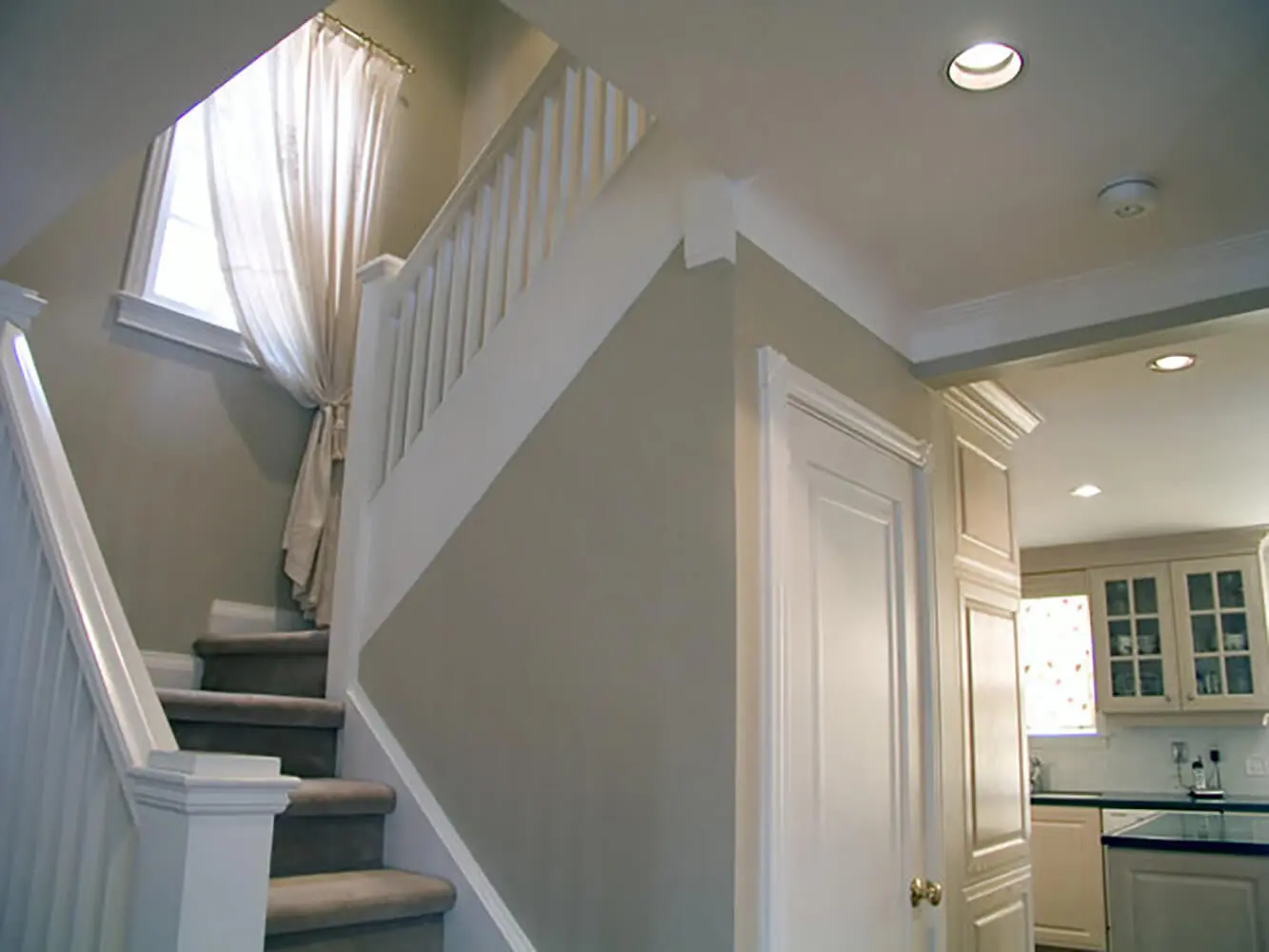
Interior painting can dramatically improve the look and feel of a home, but many homeowners worry about what might happen during the process. Paint drips, accidental splatter, or damage to furniture and floors are common concerns when work is being done inside a lived-in space.
Unlike exterior painting, interior projects require painters to work carefully around finished surfaces, personal belongings, and everyday living areas. Floors, furniture, trim, and décor all need to be protected while the work is completed.
This is why experienced contractors place significant focus on preparation and protection. Understanding how professional painters protect your home helps explain why interior painting projects are typically far more organized and controlled than many homeowners expect.
Professional crews follow a structured process designed to safeguard the surrounding space before any paint is opened. From preparing the room and covering surfaces to controlling dust and maintaining an organized work area, protecting home during interior painting is an essential part of the job.
By following a consistent professional painting protection process, painters are able to complete interior projects while keeping the home clean, safe, and well cared for throughout the work.
Why Protection Is a Critical Step in Interior Painting
Interior painting takes place inside finished living spaces where many surfaces can be easily affected by paint, tools, or preparation work. Floors, cabinetry, trim, furniture, and fixtures are all part of the environment painters must work around carefully.
Because of this, experienced contractors treat protection as one of the most important stages of an interior painting project. It is not something that happens after painting begins. Instead, it is built into the preparation process from the very beginning.
Professional painters understand that even small paint drips or accidental contact with tools can create unnecessary damage if surfaces are not properly protected. Careful preparation helps prevent these issues before they occur.
Protection during interior painting typically focuses on safeguarding several key areas within the home:
- Flooring surfaces such as hardwood, tile, carpet, and laminate
- Furniture and large household items that remain in the room
- Trim, baseboards, and architectural details
- Fixtures, outlets, and hardware
- Surrounding surfaces that are not being painted
Taking the time to protect these elements helps maintain the condition of the home while the project is underway.
It also helps homeowners continue using portions of their living space without worrying about accidental mess or disruption.
For professional painters, the goal is not only to deliver a smooth, high-quality paint finish but also to ensure the surrounding environment remains clean and undamaged. This careful approach is a key part of how professional painters protect your home throughout the painting process.
Importantly, the professional painting protection process begins well before the first coat of paint is applied. Proper planning and preparation create the foundation for a controlled and efficient interior painting project.
Preparing the Space Before Any Painting Begins
Before any painting begins, professional painters prepare the room so it becomes a safe and efficient workspace. Much of this preparation overlaps with what homeowners may already understand from interior painting preparation, which helps reduce the risk of damage and allows the work to move smoothly.
Preparation usually begins by evaluating the room and identifying items that need to be moved, removed, or protected. Many homeowners already recognize these steps from a typical interior painting checklist, which helps create clear access to the walls and reduces the chance of contact with household items.
Furniture is often moved away from walls to create a working area. In some cases, smaller items may be relocated to another room temporarily to keep them completely out of the workspace.
Common preparation steps often include:
- Moving furniture toward the center of the room or into another area
- Removing wall décor such as pictures, mirrors, and shelves
- Taking off outlet covers and light switch plates
- Clearing small decorative items or fragile belongings
Removing outlet covers and switch plates also helps create cleaner paint lines. Without these pieces in the way, painters can apply paint evenly without leaving gaps or uneven edges around electrical fixtures.
Clearing the space also allows painters to work more efficiently. When the area around the walls is open and accessible, ladders, tools, and equipment can be positioned safely without crowding the room.
Just as importantly, preparation helps protect the homeowner’s belongings. By relocating or removing items early in the process, painters reduce the chance that something could be bumped, splattered, or damaged during the project.
This careful preparation stage sets the foundation for the rest of the work and plays an important role in protecting the home while interior painting is underway.
Protecting Floors, Furniture, and Large Surfaces
Once the space has been prepared, the next step is protecting the largest surfaces in the room. Floors and furniture are especially vulnerable during interior painting because even small paint splatters or drips can be difficult to remove.
Professional painters typically begin by covering the flooring throughout the work area. Drop cloths or protective coverings are carefully laid out to create a barrier between the floor and any paint that may fall during the project. These coverings stay in place throughout the painting process and are adjusted if work moves to a different area of the room.
Different types of flooring require different protection methods. Hardwood, tile, laminate, and carpet surfaces may each be covered using materials designed to prevent paint from soaking through or slipping underfoot. This ensures the surface remains protected while also allowing painters to move safely as they work.
Furniture and other large items are also protected if they remain in the room. When pieces cannot be relocated to another space, they are typically grouped together and covered with plastic or protective sheeting. This creates a shield that prevents paint droplets or dust from settling on the surfaces.
These protective coverings are carefully positioned so they remain secure while painters move around the workspace. If they shift during the project, they are quickly repositioned to maintain full coverage.
Taking the time to protect floors, furniture, and other large surfaces is one of the most important parts of protecting home during interior painting. It allows painters to work efficiently while helping ensure the surrounding environment remains clean and undamaged throughout the project.
Shielding Trim, Fixtures, and Other Detailed Areas
Once large surfaces are protected, painters turn their attention to the smaller details throughout the room. Trim, fixtures, and built-in elements require careful attention because these areas sit close to the surfaces being painted.
Professional painters typically use painter’s tape and masking materials to shield areas that should not receive paint. This includes baseboards, window frames, door frames, and other trim elements that border the walls or ceilings.
Applying painter’s tape creates a clean boundary between painted and unpainted surfaces. When tape is placed correctly, it prevents paint from bleeding onto trim or other finished features.
Detailed areas that are commonly protected include:
- Baseboards and decorative trim
- Window and door frames
- Built-in shelving or cabinetry
- Lighting fixtures and ceiling hardware
- Wall-mounted features that remain in place
Painters may also mask nearby surfaces when painting ceilings or tight corners where brush or roller contact could occur. This helps prevent accidental paint marks on areas that are not part of the project.
Fixtures such as lighting hardware, vent covers, and built-in features are either temporarily removed or carefully covered. Protecting these components keeps paint off surfaces that require a different finish or material.
This careful masking process plays an important role in creating clean, professional results. It allows painters to apply paint confidently along edges while maintaining sharp, consistent lines where different surfaces meet.
By protecting trim, fixtures, and detailed architectural elements, painters reduce the risk of mistakes and help ensure the finished space looks polished and precise.
Managing Dust and Surface Preparation Safely
Interior painting often involves preparation work before the final coats of paint can be applied. Tasks such as sanding rough spots, filling small holes, or smoothing patched areas help create a surface that allows paint to adhere evenly.
These steps can sometimes produce dust or small debris, which is why professionals manage preparation carefully to prevent it from spreading throughout the home.
Painters typically begin preparation after protective coverings are already in place. Drop cloths, floor coverings, and other protective materials help catch dust that may fall during sanding or surface repairs.
Professionals also use controlled preparation techniques to minimize disruption to the surrounding environment. Instead of aggressively sanding large areas, they often focus only on specific spots that require smoothing or correction.
Several common preparation practices help keep the workspace clean during this stage:
- Sanding only the areas that need attention rather than entire surfaces
- Keeping protective coverings in place to catch dust and debris
- Cleaning surfaces regularly during preparation work
- Removing debris before moving on to the next stage of painting
This approach helps maintain a cleaner indoor environment while still ensuring the walls are properly prepared.
Surface preparation is an important part of the professional painting protection process because it directly affects both the final paint finish and the condition of the surrounding space.
By controlling dust and keeping the work area contained, painters can complete necessary preparation work without allowing debris to spread to floors, furniture, or other parts of the home.
Keeping the Work Area Organized During the Painting Process
Once painting begins, maintaining an organized workspace becomes an important part of protecting the surrounding environment. Interior painting requires ladders, paint trays, rollers, brushes, and other tools that must be positioned carefully within the room.
Professional painters typically arrange their equipment in a way that keeps the work area clear and easy to navigate. Tools and supplies are placed where they are accessible but not in the path of movement through the space.
Keeping the area organized helps reduce the chance of accidental spills or bumps that could affect nearby surfaces. When tools are stored properly and work zones are clearly defined, painters can move efficiently without creating unnecessary risk to floors, furniture, or trim.
Protective coverings are also monitored throughout the project. Drop cloths and plastic coverings may shift slightly as painters move ladders or change positions while working along the walls or ceilings. When this happens, the coverings are quickly adjusted to make sure the protected areas remain fully covered.
An orderly workspace also helps prevent accidents. Ladders are positioned securely, paint containers are placed on stable surfaces, and walkways remain clear so painters can move safely around the room.
Maintaining this level of organization throughout the project helps ensure that both the painting process and the surrounding living space remain controlled and protected while the work is underway.
Final Cleanup and Restoration of the Space
Protecting the home does not end when the final coat of paint is applied. Professional painters also focus on restoring the room so it looks clean, orderly, and ready to use again.
Once the paint has dried, the first step is carefully removing the protective materials used throughout the project. Painter’s tape is peeled away slowly to avoid disturbing the fresh paint lines, while drop cloths and coverings are lifted and folded to prevent any trapped debris from spreading.
Painters also take time to inspect the surrounding surfaces. Floors, trim, and nearby fixtures are checked to ensure no paint drips, dust, or debris remain. If anything is found, it is cleaned immediately so the space is returned to its original condition.
Items that were removed earlier in the project are typically reinstalled during this stage. Outlet covers, switch plates, and other small fixtures are placed back where they belong, helping restore the room’s finished appearance.
Furniture that was moved away from walls may also be repositioned if it was only temporarily shifted to create workspace. This helps return the room to a comfortable, functional layout once the painting work is complete.
The final cleanup process is an important part of the overall professional painting protection process. It ensures that when the project is finished, homeowners can enjoy the updated look of freshly painted walls without the lingering mess that can sometimes accompany home improvement work.
How Professional Painters Protect Your Home From Start to Finish
Interior painting involves much more than applying new color to walls. Professional painters follow a careful process designed to protect the home while the work is completed.
The process begins by preparing the room and clearing the workspace so painters can move safely. Furniture may be relocated, décor removed, and outlet covers taken off to allow cleaner paint lines.
Once the space is prepared, painters focus on protecting the surrounding surfaces. Floors are covered with drop cloths, furniture is shielded with protective materials, and detailed areas such as trim, fixtures, and hardware are carefully masked.
Surface preparation is then completed with attention to dust control and cleanliness. Painters work carefully during sanding or minor repairs to prevent debris from spreading throughout the home.
Throughout the project, maintaining an organized workspace helps keep tools, ladders, and materials positioned safely while painters move through the room.
Finally, after the painting work is complete, professionals remove protective coverings, clean the space, and restore the room so it is ready for everyday use. Together, these steps form a structured professional painting protection process that allows painters to deliver quality results while safeguarding the surrounding environment.
If you are planning an interior painting project and want the work done with care and attention to detail, OKCity Painting is here to help. Our team takes the time to properly prepare your space and protect your floors, furniture, and fixtures throughout the entire process. We focus on delivering clean, high quality results while keeping your home organized and well-protected. Contact us today to learn more about our interior painting services or to schedule a consultation for your home.