
How Interior Painting Can Change the Way a Space Feels Without Remodeling
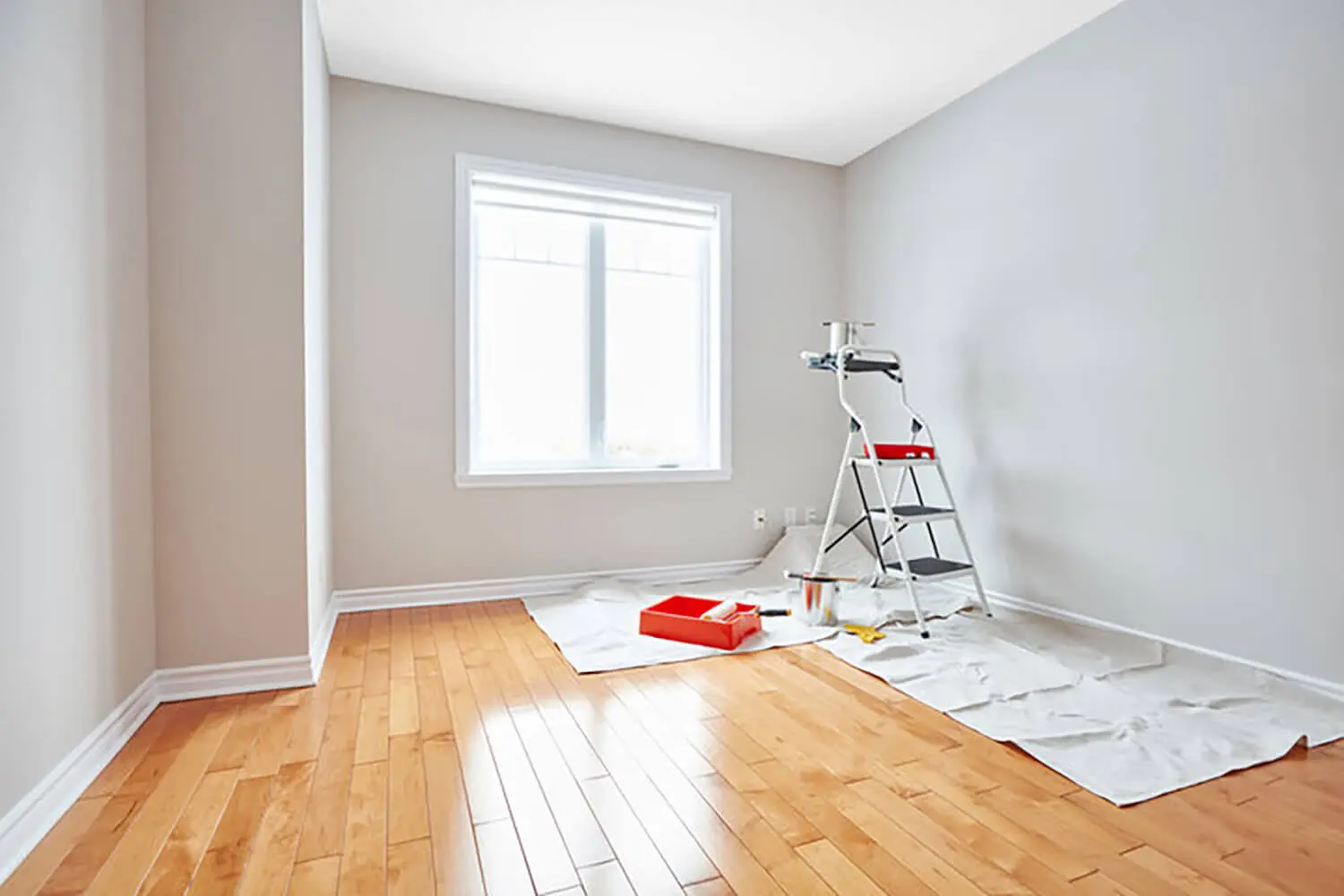
Many homeowners assume that making a room feel noticeably different requires remodeling. When a space starts to feel outdated, dark, or uninspiring, the first thought is often new cabinets, flooring, or structural changes. Renovations can certainly transform a home, but they also involve higher costs, longer timelines, and more disruption to daily life.
What many people don’t realize is that one of the most powerful design changes is often the simplest: paint. A new color palette can dramatically influence how a room looks, how light moves through the space, and how comfortable or inviting it feels. Understanding how interior painting changes a space can help homeowners rethink what’s possible without tearing anything out or rebuilding.
Paint affects far more than just surface color. The shades you choose can influence the mood of a room, alter how large or small the space appears, and help connect different areas of your home into a cohesive design. Even subtle changes in tone or finish can create a noticeable shift in atmosphere.
By exploring the impact of interior painting, homeowners can see how thoughtful color choices and professional application can refresh interiors, improve visual balance, and create a meaningful interior painting transformation without the need for remodeling.
Color Choices Shape the Mood of a Room
Color plays a powerful role in how people experience a space. The colors on your walls influence atmosphere, comfort, and even how relaxed or energized a room feels.
Because walls cover a large portion of the visual environment, changing their color can immediately shift the emotional tone of a space. This is one of the clearest examples of how interior painting changes a space without altering the structure of the home.
Different color families tend to create different moods.
Common examples include:
- Light neutrals such as soft whites, creams, and light grays often create a calm, open feeling. These shades help rooms feel bright and welcoming.
- Cool tones like blues and gentle greens are frequently associated with relaxation and balance. They are commonly used in bedrooms and bathrooms where a peaceful atmosphere is desirable.
- Warm tones such as terracotta, warm beige, or muted gold can make a room feel inviting and comfortable, which works well in living rooms or gathering areas.
- Deep or saturated colors like navy, charcoal, or forest green can add richness and intimacy, especially in dining rooms or accent walls.
The size of the room and the amount of natural light also influence how colors feel once they are applied. A shade that feels soft and airy in a bright room may appear darker or more dramatic in a space with limited light.
This is why thoughtful color selection is such an important part of an interior painting transformation. When the right palette is chosen, paint can subtly guide how people experience a room, turning a space that once felt dull or uncomfortable into one that feels balanced and inviting.
Paint Can Change How Large or Small a Space Feels
Paint doesn’t just change color. It also changes how the eye interprets the size and proportions of a room. Strategic color choices can make a space appear larger, taller, wider, or more balanced.
This visual effect happens because different colors reflect light differently and influence how the boundaries of a room are perceived. As a result, one of the most noticeable examples of how interior painting changes a space is the way it alters spatial perception.
Lighter colors generally make spaces feel more open.
For example:
- Soft whites, pale grays, and light neutrals reflect more light, which can help smaller rooms feel brighter and more expansive.
- Consistent wall colors throughout connected spaces can create the impression of a larger overall area because the visual boundaries between rooms feel less defined.
Darker colors can serve a different purpose. While they may seem counterintuitive in smaller spaces, they can add depth and dimension when used intentionally.
For instance:
- A darker accent wall can create visual depth that draws the eye forward.
- Richer tones in very large rooms can make the space feel more grounded and comfortable instead of overly open.
Ceiling color also plays an important role in how room proportions are perceived.
- Lighter ceilings can make the room feel taller and more open.
- Slightly darker ceilings can visually lower very tall spaces, making them feel more balanced.
These visual adjustments are subtle, but they can significantly influence how comfortable a room feels. Without moving a single wall or changing the floor plan, paint alone can reshape the way a space is experienced.
Light Interaction Can Brighten or Soften a Room
Paint doesn’t exist in isolation. Every color interacts with natural and artificial light, which is why the same shade can look very different from one room to another.
The way paint reflects or absorbs light plays a major role in the overall atmosphere of a space. Understanding this relationship helps explain the broader impact of interior painting on how bright, warm, or soft a room feels.
Natural light is often the biggest factor. Rooms with large windows and strong daylight tend to amplify lighter paint colors.
In these spaces:
- Light neutrals and soft pastels reflect sunlight, helping the room feel brighter and more open.
- Subtle color undertones become more noticeable as daylight shifts throughout the day.
- Walls may appear warmer or cooler depending on the direction the windows face.
Rooms with limited natural light behave differently. In darker spaces, color choices have an even greater influence on how the room feels.
For example:
- Lighter paint colors can help bounce available light around the room, reducing the sense of darkness.
- Soft warm tones can prevent the space from feeling cold or flat under artificial lighting.
Paint finish also affects how light interacts with a room.
Common examples include:
- Matte finishes absorb more light, which can create a soft, understated look.
- Satin or eggshell finishes reflect slightly more light and can help brighten walls without creating glare.
- Higher-gloss finishes reflect the most light and are often used on trim, doors, and architectural details.
When color and lighting work together, the results can dramatically influence the atmosphere of a room. A space that once felt dim or overly harsh can become more comfortable simply through thoughtful paint selection and finish choices.
Coordinated Colors Create Visual Flow Between Rooms
Paint does more than change the look of a single room. When colors are chosen thoughtfully, they help connect different areas of a home so the entire space feels more cohesive and balanced.
Many homes include multiple adjoining rooms, hallways, and open living areas. If each space has completely different colors with no relationship to one another, the transition from room to room can feel abrupt. This can make a home feel visually cluttered or disjointed even when the individual rooms look fine on their own.
Coordinated color palettes solve this problem by creating subtle connections between spaces. When similar tones or complementary colors are used throughout a home, the eye moves more comfortably from one area to the next. This visual continuity helps the entire interior feel more intentional and thoughtfully designed.
Open floor plans especially benefit from this approach. Because several living areas are visible at the same time, paint colors need to work together rather than compete. A consistent palette can help define different areas while still maintaining harmony across the larger space.
Trim, doors, and architectural details also play a role in creating visual flow. When these elements share consistent colors across multiple rooms, they act as visual anchors that tie the overall design together.
Through thoughtful color coordination, an interior painting transformation can extend beyond a single room. Instead of isolated updates, the entire home begins to feel connected, balanced, and visually unified.
Updated Color Palettes Modernize Older Interiors
Over time, paint colors that once felt stylish can begin to make a home look outdated. Even when flooring, cabinetry, and layout are still in good condition, older color schemes can affect how modern a space feels.
This is one of the clearest examples of the impact of interior painting. Changing the color palette can refresh the overall style of a room without replacing materials or starting a renovation.
Many homes feature color trends that were popular when the house was built but no longer match current design preferences. Updating these colors can dramatically shift how the entire space is perceived.
Common examples include:
- Heavy beige or tan wall colors that can make a room feel darker or dated.
- Bold accent colors that were once trendy but now overpower the space.
- Dark trim or ceilings that reduce brightness and visual openness.
Replacing these with a more balanced palette can quickly modernize the interior. Today’s color schemes often emphasize tones that feel lighter, cleaner, and more adaptable.
Popular modern updates often include:
- Warm whites and soft neutrals that create a bright, versatile backdrop.
- Light gray or greige tones that complement many furniture styles.
- Muted accent colors that add character without overwhelming the room.
Paint also allows multiple surfaces to be refreshed at the same time. Walls, trim, doors, and ceilings can all be updated to work together visually, especially when homeowners take a few steps to properly prepare your home before a professional painting project begins.
When these elements are repainted as part of the same project, the result is often a noticeable interior painting transformation that makes the entire space feel more current and cohesive without the cost of remodeling. For many homeowners, repainting is also a more practical update once they understand the typical interior painting cost compared to larger renovation projects.
How Interior Painting Changes the Way a Space Feels
A room does not always need new materials or structural changes to feel different. In many cases, the most noticeable improvement comes from updating the paint.
As this article has shown, understanding how interior painting changes a space involves more than simply choosing a new color. Paint influences the mood of a room, how large or small it feels, how light moves through the space, and how different areas of a home connect visually.
When color is chosen thoughtfully, even small updates can make a noticeable difference. Walls that once felt dark or dated can become brighter and more welcoming. Rooms that seemed disconnected can begin to feel cohesive when the palette flows naturally from one space to another.
Because paint affects such a large portion of the interior environment, even a single project can create a meaningful interior painting transformation. Instead of investing in expensive remodeling work, many homeowners find that a fresh coat of paint brings the change they were looking for.
If you are considering refreshing your home, professional interior painting can help you achieve a cleaner, brighter, and more cohesive look.
If you’re ready to refresh the look and feel of your home, OKCity Painting is here to help. Our team provides professional interior painting services that can brighten your space, modernize your rooms, and create a more cohesive feel throughout your home. We focus on careful preparation, clean workmanship, and results that homeowners can enjoy for years. Contact OKCity Painting today to schedule a consultation and let us help you transform your interior with the right colors and a professional finish.