
Exterior Painting Cost Factors Homeowners Should Understand Before Getting Estimates
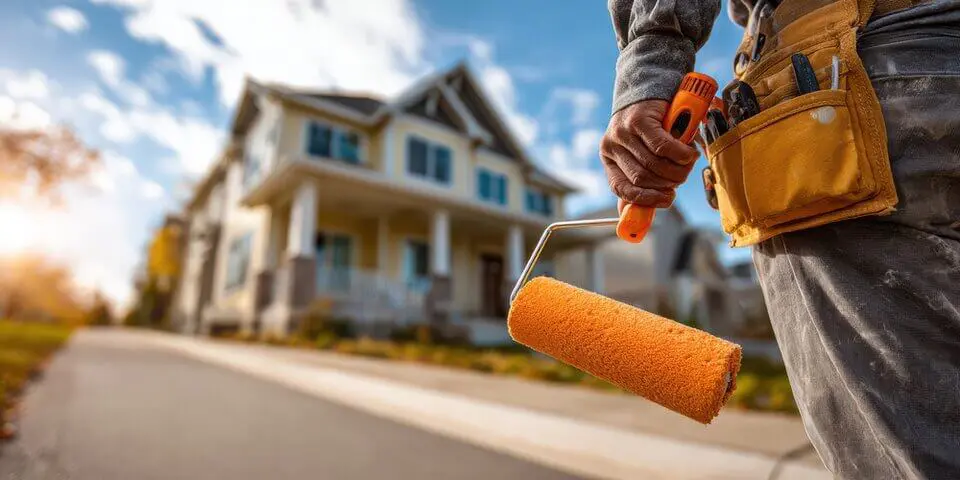
Exterior painting estimates can be surprisingly far apart, even when homes look similar from the street. One homeowner might receive a quote that feels reasonable, while another wonders why the numbers are so different for what appears to be the same job. That confusion often comes from not knowing how exterior painting cost factors actually shape a professional estimate.
Understanding these factors before requesting quotes helps homeowners feel more confident, prepared, and in control of the process. Instead of focusing only on the final number, you can better understand what you’re paying for and why one estimate may differ from another. That clarity makes it easier to ask the right questions and avoid surprises once the project begins.
Exterior painting isn’t priced with a one-size-fits-all formula. The total cost is influenced by many variables, from the size and condition of the home to the materials, access, and level of detail involved. Each property presents its own challenges, which is why pricing can vary so widely.
This guide breaks down what affects exterior painting cost in clear, homeowner-friendly terms. You’ll learn about the major pricing drivers, how professionals evaluate a project, and how to use that information to compare estimates with confidence and clarity.
Why Exterior Painting Costs Can Vary So Much
One of the biggest surprises homeowners encounter is how much exterior painting estimates can differ from one contractor to another. That variation isn’t random, and it doesn’t automatically mean one quote is right and another is wrong. It reflects the fact that no two exterior painting projects are truly the same.
Even homes with similar square footage can require very different levels of work. Factors like surface condition, layout, access, and material choices all influence how much time, labor, and preparation a project requires. Professional painters build estimates around those realities, not just the visible size of the house.
Some of the biggest exterior house painting pricing factors include:
- The total amount of paintable surface, not just interior square footage
- The condition of existing paint and siding
- The type of materials being painted
- How accessible different areas of the home are
- The level of detail involved in trim and architectural features
Because these elements vary from property to property, pricing must adjust accordingly. A home with smooth siding and minimal prep needs will be priced differently than one with peeling paint, damaged trim, or difficult access.
It’s also important to understand that exterior painting costs are shaped by scope, condition, and complexity working together. When those variables change, estimates change too. That’s why comparing quotes only by the bottom-line number often misses the bigger picture of what’s actually included.
The Main Exterior Painting Cost Factors That Influence Your Estimate
When a professional painter puts together an exterior estimate, they’re evaluating far more than just the color you want or how big the house looks from the curb. A detailed quote is built by assessing several core variables that directly affect labor time, materials, equipment, and overall project complexity.
These are the primary exterior painting cost factors that determine how an estimate is calculated. Understanding them helps explain why two homes that seem similar can receive very different pricing, and why estimates from different contractors may not match exactly.
Painters typically look at the project as a combination of:
- How much surface area needs to be painted
- How much preparation is required before painting can begin
- What materials and coatings are needed for durability
- How difficult the home is to access safely and efficiently
- How much detailed or custom work is included
Each of these elements affects what it takes to complete the job properly. More prep means more labor. Hard-to-reach areas slow production. Specialty materials raise material costs. Added details increase time on site.
What often surprises homeowners is that even small differences in these areas can add up quickly. A house with minor peeling and simple trim may fall into a lower pricing range, while another with similar square footage but extensive prep and detailed features may cost significantly more.
This is why estimates are project-specific. Rather than relying on averages or online calculators, professional painters price based on the real conditions they see on your home and the work required to deliver a durable, long-lasting exterior finish.
Home Size and Surface Area
One of the first things painters evaluate is how much exterior surface actually needs to be painted. Square footage matters, but total paintable area matters more. A home with complex elevations, multiple gables, or extensive trim can require far more labor than a simpler structure with the same footprint.
Multi-story homes also increase time and complexity. Working at height slows production, requires additional safety measures, and often involves ladders or lifts. All of that increases labor time, which directly impacts pricing.
Surface Condition and Prep Requirements
The condition of the existing exterior plays a major role in what affects exterior painting cost. Homes with peeling paint, cracks, rot, mildew, or water damage require significantly more preparation before any new paint can be applied.
Prep work may include scraping, sanding, caulking, patching, or replacing damaged materials. These steps are labor-intensive but critical for long-term results. The more prep a home needs, the higher the labor cost, even if the final painted area looks the same once finished.
Type of Exterior Surface Being Painted
Different exterior materials require different processes, tools, and coatings. Wood siding, stucco, brick, fiber cement, and vinyl all behave differently and must be treated accordingly.
Some surfaces need specialty primers or elastomeric coatings. Others require additional drying time or specific application methods. These material-specific requirements affect both labor and material costs and are a major factor in exterior house painting pricing factors.
Paint Quality, Finish, and Material Choices
Paint isn’t a single, flat cost. Higher-quality paints typically cost more per gallon but offer better coverage, durability, and resistance to weathering, and choosing colors and finishes that hold up to local conditions also contributes to longevity. Choosing premium products can increase upfront costs while reducing how often repainting is needed.
Finish selection also matters. Certain finishes require more coats or more careful application. While these choices can raise material and labor costs, they often deliver better long-term performance.
Accessibility and Home Layout Challenges
How easy it is to move around the home has a direct impact on labor time. Steep lots, dense landscaping, tight spaces between structures, or uneven ground slow down work and increase setup time.
Homes that require extensive ladder work, scaffolding, or special safety equipment take longer to paint safely, and understanding what happens on site helps you know why these challenges matter for cost. These access challenges are a common but often overlooked contributor to higher estimates.
Additional Project Scope and Custom Features
Details add time. Painting trim, doors, shutters, railings, garages, porches, or decorative elements increases the scope beyond basic siding coverage.
Each additional feature requires careful prep, cutting-in, and finishing. Homes with more architectural detail typically require more labor hours, which is why added features often push estimates higher even when the home size stays the same.
How to Use These Exterior Painting Cost Factors When Comparing Estimates
Once you understand the major exterior painting cost factors, comparing estimates becomes much more straightforward. Instead of focusing only on the final price, you can evaluate how thoroughly each contractor assessed the project and what’s actually included in the scope.
A helpful way to compare quotes is to review each estimate line by line and look for clarity around the work being proposed. A detailed estimate should clearly explain:
- What surfaces are being painted and how many coats are included
- How much preparation work is planned and what that prep involves
- The type and quality of paint products being used
- Which areas or features are included and which are excluded
- Any access challenges or special equipment accounted for in pricing
When one estimate is significantly lower, it’s often because something has been minimized or left out. That could mean less prep, lower-grade materials, or fewer coats. While those shortcuts may reduce the upfront number, they can affect durability and long-term results.
It’s also important to confirm that estimates are based on similar assumptions. Two quotes may look different simply because one includes trim, repairs, or specialty areas that another does not.
Using exterior house painting pricing factors as a comparison tool helps you ask better questions and avoid apples-to-oranges decisions. A well-explained estimate gives you confidence that the price reflects the actual work your home needs, not just a generic rate.
Takeaways Before Requesting an Exterior Painting Estimate
Before reaching out for exterior painting quotes, it helps to reset expectations around how pricing works. There is no universal rate, and there’s no shortcut that replaces evaluating your specific home. Exterior painting cost factors are tied directly to the real conditions, scope, and complexity of the project in front of the painter.
The most important points homeowners should keep in mind include:
- Pricing is driven by surface area, not just home size
- Preparation and repairs often account for a large portion of labor costs
- Different exterior materials require different products and processes
- Accessibility and safety needs can significantly affect labor time
- Added details and custom features increase scope and cost
Understanding these factors makes it easier to interpret estimates without frustration. When two quotes differ, it’s usually because the homes aren’t being treated as identical projects, even if they look similar at a glance.
Going into the estimate process informed also helps you communicate more clearly with contractors. You’ll know what questions to ask, what details matter most, and where differences in pricing are likely coming from.
Ultimately, the goal isn’t to find the lowest number. It’s to find an estimate that accurately reflects the work your home requires and sets clear expectations for how the project will be handled from start to finish.
If you’re ready to move forward, we’re here to help. At OKCity Painting, we take the time to evaluate your home, explain the details that affect pricing, and provide a clear, accurate exterior painting estimate. We believe homeowners should understand what they’re paying for and why. Reach out to schedule a consultation, and we’ll walk your property, answer your questions, and help you plan an exterior paint project with confidence.