
What Determines the Cost of an Exterior Painting Project
What determines the cost of an exterior painting project? Many homeowners ask that question after two quotes arrive thousands of dollars apart for nearly identical houses.
It’s natural to wonder whether one painter is overcharging or the other is cutting corners. The real answer is more nuanced than a single number or a square-foot rate.
A handful of cost drivers set the price, and they interact in surprising ways. Once you understand them, you can read a quote with confidence and see where your own choices matter.
The stakes are real. A misread quote can lead you to pick the wrong painter, skip needed prep, or budget poorly.
This post explains what sets the price in Oklahoma City, how the drivers combine, and which ones you can influence.
Why Labor Hours Drive Exterior Painting Costs
Crew time makes up most of an exterior painting quote. Paint and materials make up the smaller share.
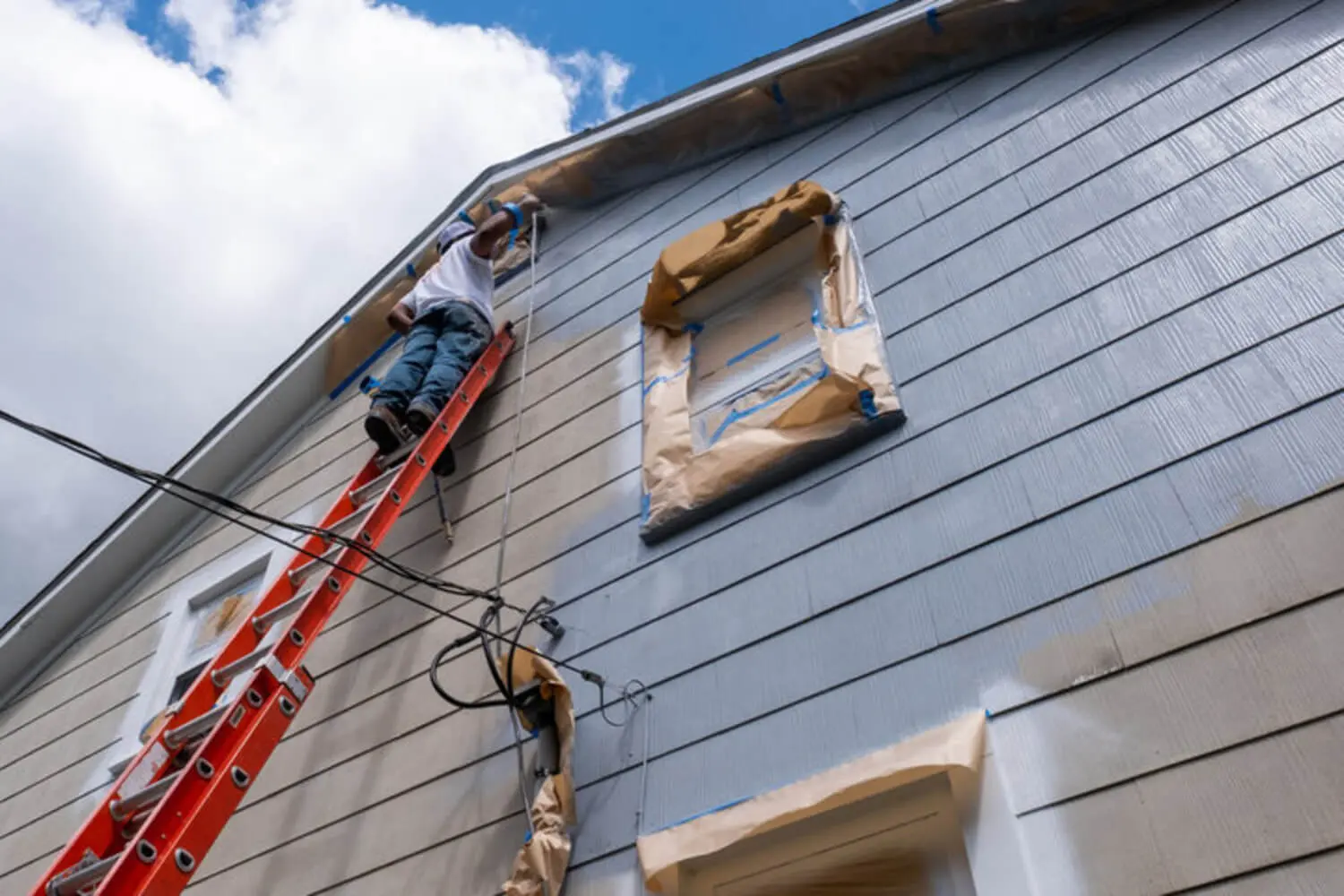
Almost every cost driver matters because of the hours it adds or removes on site. Painting is often the fastest part of the job. Prep, setup, and detail work take most of the time. Washing, scraping, caulking, taping, and moving ladders all consume hours before and after every coat.
Many homeowners assume the price follows the amount of paint a house needs. That’s why a rough square-foot calculation misleads. Two homes can need the same gallons of paint and very different crew time.
Every extra day of crew time adds to the quote. That’s why painters think in hours first and gallons second.
That shift in thinking makes every line of a quote easier to read. Thinking in hours explains a lot:
- A higher quote often reflects thorough prep and careful detail work
- A very low quote often reflects hours the painter left out
- Every driver below matters because it changes crew time
What Determines the Cost of an Exterior Painting Project: The Four Main Drivers
Four drivers account for most of the difference between one project and another. They build on the basic exterior painting cost factors that shape every quote. Each one changes crew time in a different way.
Home Size and Shape
Paintable surface area matters more than floor square footage. A smaller home with tall walls, gables, and dormers can have more surface to paint than a larger ranch.
Complex rooflines also create more edges to cut in and more spots where crews must reposition equipment. Height also slows the work. Anything above the first floor needs more ladder or lift setup, extra safety planning, and slower movement.
Certain features add hours well beyond their size:
- Trim, fascia, and soffits
- Shutters and doors
- Dormers and multiple rooflines
These areas need careful brushwork instead of fast rolling or spraying. A detailed two-story takes far longer than a simple ranch of similar size. Judging by the street view alone can mislead you.
Surface Condition and Prep Work
Prep is the least visible part of a quote and often the largest block of hours. It’s the main reason similar-looking homes get different prices.
A home can look fine from the curb while failed caulk joints and early moisture damage hide in the details. Close inspection reveals problems a drive-by view misses.
Every repair you skip shows up later. Loose paint under a new coat can lift within a season, and unsealed joints let water back into the wall.
Prep tasks that add hours include:
- Scraping peeling or loose paint
- Replacing rotted wood
- Re-caulking failed joints
- Treating mildew
- Priming bare spots
Each task adds crew hours, and each one protects how long the finish lasts.
Skipping these steps saves time now and brings the problem back sooner. Prep forms a major part of the professional exterior painting process. The condition of your existing paint sets its scope, so a quote written without an inspection is a guess.
Oklahoma Weather and Soil Conditions
Oklahoma adds work that homes in milder regions often skip. Three conditions come up most often:
- Hail and storm damage on siding, fascia, trim, and gutters, which crews often find only once prep begins
- Expansive clay soil that shifts with moisture and cracks brick mortar and stucco
- Intense sun and wind that wear each side of your home at a different rate
South and west walls often fail first. One house can need heavy prep on two sides and light prep on the others.
This is why a painter who walks your property gives a more accurate price than one who works from photos. Hail marks, hairline cracks, and sun-baked trim rarely show up in a picture.
A home with several storm seasons since its last paint job usually carries more damage than its age suggests. Repair these problems during prep and the finish holds through storm season. Paint over them and the cracks reopen and show through the new coat.
Materials and Coating Systems
Surface type changes the process, not just the price tag. Wood needs scraping and sanding, brick needs breathable primers, and stucco often calls for flexible coatings. Textured surfaces like stucco also absorb more paint and take longer to coat evenly than smooth siding.
The coating system adds its own variables:
- Primer on bare or repaired areas
- The number of coats
- The paint grade
Higher-grade paint costs more per gallon, but it typically covers better and holds color longer. You can see how these choices play out locally in this look at the best paints for Oklahoma’s weather.
A major color change, especially dark to light, often needs extra coats. That adds both materials and hours.
Many homeowners assume paint brand is the biggest lever on price. Surface type, primer needs, and coat count usually move the quote more because they change application time.
How Cost Drivers Compound Each Other
The drivers don’t simply add together. They multiply each other’s hours, which is why two homes that differ only slightly can receive very different quotes.
Each multiplier makes the next one costlier. Height slows prep. Prep grows on the most exposed walls. Every coat then repeats across a larger, harder-to-reach surface.
Consider two homes with the same floor square footage:
- Home A has two stories, failing paint on its sun-exposed walls, and a dark-to-light color change
- Home B has one story, sound paint, and a similar color change
Home A stacks every multiplier, while Home B stacks none. The gap between their quotes reflects real work, not padding.
Small differences rarely produce small price gaps. This is why a flat per-square-foot rate can’t capture a project accurately.
The same logic works in your favor. Remove one multiplier, such as failing paint, and the whole estimate shrinks faster than you would expect.
Which Exterior Painting Costs You Can Influence
Some drivers are fixed. Your home’s height, layout, steep lot, and existing damage won’t change. Others respond to your decisions:
- Repaint before the finish fails. Knowing how often you should repaint helps you catch peeling and failed caulk early, before repairs pile up.
- Clear access. Trim back shrubs, move vehicles and outdoor furniture, and secure pets and gates so crews can move freely.
- Settle your scope upfront. Decide on trim, doors, shutters, and garage doors before the quote, so change orders don’t add hours midway through.
- Choose your color early. Tell the painter whether the change is major, so the quote reflects the coats it needs.
Many homeowners assume negotiating the price or choosing lower-grade paint lowers a quote best. Timing, access, and scope decisions usually move the number more, and they don’t reduce the quality of the work.
Handle these before the quote arrives and you get a more accurate price. You also see fewer additions once the project starts.
Cutting prep or coats to hit a lower number is not on this list. It shifts the expense to a repaint that arrives sooner.
Using Cost Drivers to Plan Your Project
So what determines the cost of an exterior painting project? Crew hours. Your home’s size, its condition, Oklahoma’s conditions, and the materials all shape those hours. They often compound each other.
A quote that ignores these drivers either missed something that will surface later or left out work that matters. Judging by the bottom line alone hides that risk.
Only an on-site evaluation can account for every driver together. A good walkthrough lets the painter measure, inspect, and note every condition that adds hours. You can’t judge height, condition, exposure, and surfaces from the street or from a rough measurement. For a closer look at the quoting step, see how painters calculate quotes.
If you’d like to see how these drivers apply to your home, we’re ready to help. At OKCity Painting, we start with a thorough walkthrough. We explain which drivers affect your price and write a quote that reflects them. Explore our exterior painting services, then request your free quote and we’ll schedule a time to walk your property.